
Why Does Your Kitchen Cabinet Get Damaged by Moisture? A Guide to Long-Lasting Modular Kitchen Design
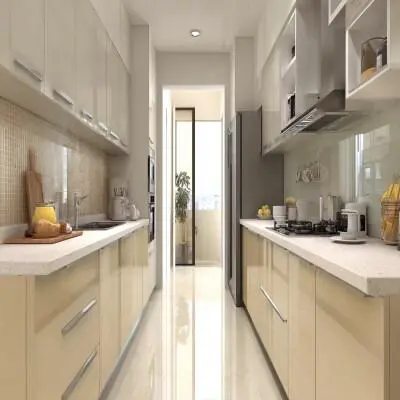
Discover why kitchen cabinets suffer moisture damage and how smart material choices and modular kitchen planning protect your kitchen in Haldwani.
Introduction: Sink Ke Neeche Wala Cabinet Baar-Baar Kharab Ho Raha Hai?
Your modular kitchen may look beautiful from the outside, but have you noticed the cabinet under your sink swelling, peeling, smelling unpleasant, or losing its original finish? If the same problem keeps returning even after repairs, the cause may be more than ordinary wear and tear.
Kitchen cabinet moisture damage is a common concern when water exposure, plumbing leaks, material selection, and cabinet construction are not properly addressed.
The area beneath the kitchen sink is particularly vulnerable because it contains water supply connections, drainage pipes, and cleaning products. Even a small leak that goes unnoticed can allow moisture to affect cabinet panels, edges, joints, and finishes over time.
For homeowners planning a modular kitchen in Haldwani, choosing the right materials and identifying potential water problems early can make a significant difference to the kitchen's durability.
Kitchen World Haldwani helps homeowners explore practical modular kitchen designs that consider storage, material selection, cabinet placement, and everyday kitchen requirements.
1. Hidden Plumbing Leaks Can Damage Kitchen Cabinets
One of the most common reasons for kitchen cabinet water damage is a leak beneath the sink.
Water supply connections, drain pipes, traps, and joints can sometimes loosen, deteriorate, or develop leaks. Even when the water leak appears small, repeated exposure can gradually damage cabinet surfaces and edges.
Homeowners may first notice a damp smell, discolouration, swelling, or peeling laminate inside the sink cabinet.
How to Identify a Plumbing Leak
Check the cabinet beneath the sink periodically for damp patches, standing water, unusual odours, and visible changes to the cabinet material.
If you notice moisture, identify whether it is coming from a plumbing connection, drainage pipe, condensation, or water spilling from the sink area.
Arrange for a qualified plumber to inspect and repair the source before replacing damaged cabinet panels. Installing a new cabinet without fixing the leak may allow the same problem to return.
For kitchen renovation in Haldwani, plumbing inspection should be part of the planning process whenever the sink cabinet shows repeated signs of water damage.
2. Choosing the Wrong Material for the Sink Cabinet
Not every cabinet material responds to moisture in the same way.
Some wood-based panels can swell when water enters their exposed edges or damaged surfaces. Other materials may offer better moisture resistance, depending on their composition, construction, quality, and installation.
This is why material selection matters when planning a modular kitchen, particularly around the sink and other areas that may experience occasional splashes or leaks.
What Should You Consider When Selecting Kitchen Cabinet Materials?
Ask about the core material, moisture resistance, edge sealing, surface finish, and suitability for the intended cabinet location.
Material selection should be based on the expected exposure to water, the kitchen layout, the installation conditions, and the manufacturer's specifications.
For example, moisture-resistant boards may be suitable for some kitchen applications, but they should not automatically be treated as waterproof. Prolonged water exposure can still cause problems if the material or its joints are not adequately protected.
For homeowners considering a modular kitchen in Haldwani, the right material decision starts with understanding where and how each cabinet will be used.
3. Damaged Laminate Edges Allow Moisture to Enter
Laminate gives kitchen cabinets their finished appearance, but the condition of the edges and joints also matters.
If laminate begins peeling, the adhesive fails, or an edge becomes exposed, moisture may reach the underlying panel. This can contribute to swelling, surface damage, and further peeling.
The problem may become more noticeable near the sink, where water splashes and cleaning activities occur regularly.
How to Reduce the Risk of Laminate Damage
Choose suitable surface finishes and ensure that exposed edges are properly sealed during cabinet manufacturing and installation.
Inspect the area around the sink, countertop joints, and cabinet edges if you notice peeling or swelling.
Avoid assuming that replacing the laminate alone will solve the problem. If the underlying panel has already swollen or deteriorated, the damaged section may need professional assessment and replacement.
For custom kitchen design in Haldwani, careful attention to edge finishing and installation quality helps protect the appearance of modular kitchen cabinets.
4. Water Spills That Are Never Fully Dried
Not every moisture problem begins with a plumbing leak.
Water can collect inside the sink cabinet when wet cleaning cloths, leaking containers, damp utensils, or cleaning products are stored without being dried properly. Small spills can also enter through cabinet openings or exposed edges.
When moisture remains trapped inside a cabinet, it may contribute to unpleasant smells, deterioration of susceptible materials, and mould growth under suitable conditions.
How to Keep Sink Cabinets Dry
Wipe up spills promptly and keep the inside of the sink cabinet clean and dry.
Avoid storing wet cloths or leaking containers directly against cabinet panels. Periodically inspect the cabinet floor and corners, particularly after plumbing work or cleaning.
If you notice persistent dampness, mould, or a musty smell, investigate the underlying cause rather than masking the odour with fragrances.
For a long-lasting modular kitchen in Haldwani, everyday maintenance is just as important as selecting appropriate materials.
5. Poor Sealing Around the Sink and Countertop
The joint between the kitchen sink and countertop is an important area to inspect when dealing with moisture damage.
If the sealant deteriorates, separates, or develops gaps, water may enter the space beneath the sink or reach nearby cabinet components.
Similar problems may occur around countertop joints, depending on the design, materials, and installation quality.
How to Prevent Water From Entering Cabinet Joints
Inspect the sink perimeter and countertop joints periodically for visible gaps, peeling sealant, or signs of water penetration.
Use a suitable sealant recommended for the specific materials and application. Damaged joints should be repaired after the underlying area has been checked and dried.
Proper installation and regular inspection can help reduce the risk of water reaching vulnerable cabinet components.
For modular kitchen installation in Haldwani, attention to sink and countertop detailing is an important part of protecting the finished kitchen.
6. Poor Ventilation and Persistent Dampness
Moisture can remain inside a cabinet when the space stays damp for extended periods.
A leaking pipe, wet stored items, or inadequate drying after a spill can create conditions that encourage musty odours and mould growth.
Ventilation alone will not solve an active leak, but reducing persistent dampness can help protect the cabinet interior.
How to Manage Dampness Inside Kitchen Cabinets
First, identify and correct any plumbing leak or water entry point.
Remove wet items, dry accessible surfaces, and inspect the cabinet for swelling, mould, or deteriorated panels.
If the cabinet remains damp despite these steps, arrange a professional inspection to determine whether there is a hidden leak or another moisture source.
For kitchen renovation in Haldwani, addressing the actual cause of dampness is more effective than simply replacing the cabinet finish.
7. Why the Cabinet Under the Sink Needs Special Attention
The cabinet beneath the kitchen sink has a different role from a regular storage cabinet.
It must accommodate plumbing connections and provide access for inspection, cleaning, and maintenance. The available space may also be affected by pipes, water filters, and other fixtures.
If the cabinet is designed without considering these requirements, access can become difficult, and small plumbing problems may go unnoticed.
How to Plan a Better Sink Cabinet
Consider the location of water supply lines, drainage pipes, cleaning products, and any water purifier connections.
The cabinet design should allow practical access to plumbing components without unnecessarily compromising storage.
Suitable materials, well-finished edges, and careful installation should be considered alongside the cabinet layout.
For homeowners planning a custom modular kitchen in Haldwani, an appropriately designed sink cabinet can make maintenance easier and help identify potential problems sooner.
8. Does Your Kitchen Need Waterproof Cabinets?
The phrase waterproof kitchen cabinets is often used when homeowners want materials that can withstand everyday moisture.
However, waterproof and moisture-resistant are not interchangeable terms. A material may resist limited moisture exposure but still be damaged by prolonged water contact, leaking pipes, or unsealed edges.
The durability of a kitchen cabinet depends on the material, its construction, edge treatment, surface finish, installation, and maintenance.
How to Choose Moisture-Resistant Kitchen Materials
Ask the kitchen designer or supplier for clear information about the cabinet material and its suitability for the intended location.
Check the manufacturer's specifications instead of relying only on descriptions such as waterproof, water-resistant, or moisture-proof.
Pay particular attention to cabinets beneath sinks and areas close to water connections.
For modular kitchen design in Haldwani, informed material selection helps homeowners choose a solution that suits their needs and the conditions in their kitchen.
9. Can Damaged Kitchen Cabinets Be Repaired?
The right solution depends on how far the moisture damage has progressed.
If the problem is limited to a minor surface issue and the underlying panel remains sound, a suitable repair may be possible.
However, if the cabinet panel has swollen, softened, crumbled, or developed extensive mould, replacing the affected component may be more appropriate.
Applying new laminate over a badly damaged panel may not provide a durable repair.
What to Do Before Replacing a Damaged Cabinet
Identify and fix the source of moisture first.
Ask a qualified professional to inspect the affected panel, cabinet base, edges, and nearby plumbing. The inspection can help determine whether the cabinet can be repaired or whether replacement is necessary.
If several cabinets show similar damage, review the material selection, installation details, and moisture sources throughout the kitchen.
For kitchen cabinet repair and renovation in Haldwani, addressing the cause before completing the repair can help prevent repeated damage.
10. Kitchen Moisture Problems During the Monsoon in Haldwani
Seasonal humidity and damp conditions can make moisture management particularly important in some homes around Haldwani and the wider Kumaon region.
However, a swollen kitchen cabinet should not automatically be blamed on the monsoon. Plumbing leaks, water spills, poor sealing, and unsuitable materials can also cause cabinet damage at any time of the year.
A kitchen's actual moisture exposure depends on its location, ventilation, construction, plumbing, and maintenance.
How to Protect Kitchen Cabinets During Damp Weather
Check sink connections, cabinet interiors, countertop joints, and exposed panel edges periodically.
Wipe up spills promptly and avoid keeping wet cleaning materials inside closed cabinets.
If a cabinet repeatedly becomes damp, investigate the source instead of assuming that seasonal humidity is the only cause.
For homeowners planning modular kitchen design in Haldwani, moisture management should be considered alongside the kitchen's layout, material selection, and installation quality.
11. Five Warning Signs Your Kitchen Cabinet May Have Moisture Damage
Recognising the early signs of kitchen cabinet water damage can help homeowners investigate problems before they become more extensive.
Sign 1: Swollen Cabinet Panels. Cabinet boards may expand when susceptible materials absorb water through exposed edges or damaged surfaces.
Sign 2: Peeling Laminate. Lifting or separating laminate may indicate adhesive failure, moisture entry, or other surface problems.
Sign 3: Musty Smell. A persistent damp smell may indicate trapped moisture or possible mould growth inside the cabinet.
Sign 4: Discolouration or Water Marks. Stains and unusual colour changes may indicate repeated water exposure.
Sign 5: Soft or Deteriorating Cabinet Bases. Panels that feel soft, crumble, or lose their shape may have sustained more serious damage.
If you notice any of these signs, inspect the cabinet and investigate the source of moisture. A professional assessment can help determine the right repair or replacement approach.
12. How Kitchen World Haldwani Can Help With Better Kitchen Planning
A modular kitchen should be designed around the way your family cooks, stores groceries, cleans, and uses appliances every day.
Kitchen World Haldwani helps homeowners explore customised modular kitchen layouts with attention to storage, cabinet design, materials, and practical space utilisation.
When planning a new kitchen or renovating an existing one, discuss the sink location, plumbing arrangement, cabinet materials, countertop joints, and areas that may be exposed to moisture.
These considerations help homeowners make informed decisions before the installation begins.
Kitchen World Haldwani is located on Kaladhungi Road, opposite Shire Inn Hotel, in Haldwani, Uttarakhand. Homeowners from Haldwani and nearby areas can enquire about modular kitchen planning and renovation requirements.
Whether you are updating an old kitchen or planning a new modular kitchen in Haldwani, a well-considered design should account for both appearance and everyday durability.
Frequently Asked Questions About Kitchen Cabinet Moisture Damage
Why Does the Cabinet Under My Kitchen Sink Keep Swelling?
Repeated swelling may result from plumbing leaks, water spills, exposed edges, damaged laminate, or materials that are unsuitable for the level of moisture exposure. Identify the source before repairing or replacing the cabinet.
Which Material Is Best for a Kitchen Sink Cabinet?
The appropriate material depends on the kitchen conditions, expected water exposure, product specifications, edge treatment, and installation quality. Ask your kitchen designer or supplier to explain the moisture resistance and limitations of the proposed material.
Can Laminate Prevent Kitchen Cabinet Water Damage?
Laminate can provide a finished surface, but it does not make every cabinet waterproof. Water may enter through damaged finishes, exposed edges, joints, or installation gaps.
Should a Swollen Kitchen Cabinet Be Replaced?
Replacement may be necessary if the underlying panel has significantly swollen, softened, or deteriorated. Minor damage may sometimes be repairable, depending on the condition of the material.
How Can I Prevent Moisture Damage in a Modular Kitchen?
Fix leaks promptly, keep cabinet interiors dry, maintain sink and countertop seals, select suitable materials, and inspect vulnerable areas periodically.
Does Kitchen World Haldwani Help With Kitchen Renovation?
Homeowners can contact Kitchen World Haldwani to discuss their modular kitchen design and renovation requirements, including cabinet planning, storage, material selection, and layout improvements.
Conclusion: Protect Your Kitchen Cabinets Before Moisture Becomes a Bigger Problem
Kitchen cabinet moisture damage can affect the appearance, usability, and durability of a modular kitchen.
From leaking sink pipes and damaged laminate edges to poor sealing and unsuitable materials, several factors can contribute to repeated cabinet problems.
The right approach is to identify the source of moisture, select suitable materials, coordinate plumbing and cabinet design, and maintain vulnerable areas properly.
For homeowners in Haldwani, Nainital, Bhimtal, Kaladhungi, and nearby Kumaon locations, thoughtful modular kitchen planning can help reduce avoidable problems and support long-term functionality.
Is your kitchen cabinet swelling, peeling, or getting damaged by moisture? Planning a kitchen renovation or looking for a better modular kitchen design? Contact Kitchen World Haldwani to discuss your kitchen requirements and explore a solution suited to your space.
Kitchen World Haldwani
Location: 1st Floor, Kaladhungi Road, opposite Shire Inn Hotel, Haldwani, Uttarakhand.
Website: https://kitchenworldhaldwani.com/
Call to Action: Book a Free Site Visit with Kitchen World Haldwani and take the first step towards a thoughtfully planned kitchen.
Tags
Written by
Kitchen World