
Why Your Kitchen Layout Matters More Than Your Kitchen Design
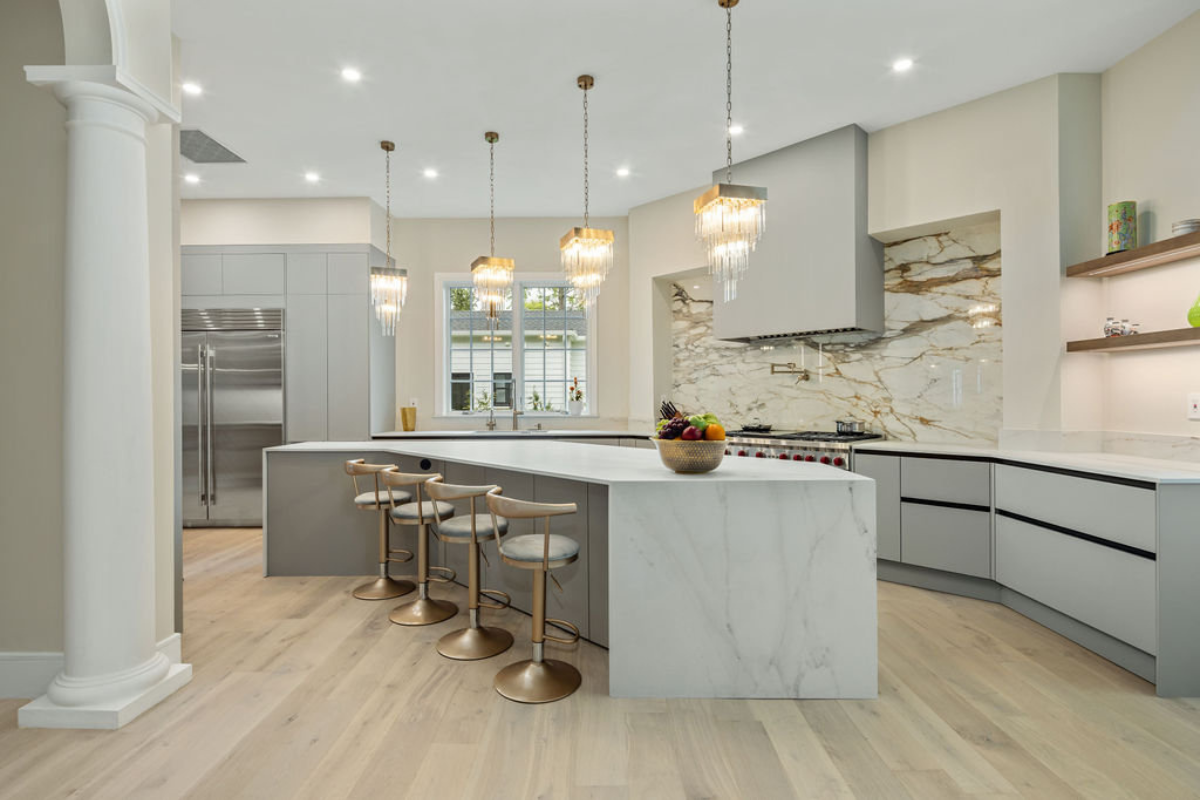
Discover why a kitchen's structural layout dictates long-term efficiency, ergonomics, and value far more than surface aesthetics and premium finishes.
The Mirage of the Beautiful But Broken Kitchen
Walk into any high-end interior showroom or scroll through social media platforms, and you will be instantly flooded with breathtaking culinary spaces. You will see seamless high-gloss surfaces reflecting ambient LED profile lighting, flawless Italian marble countertops, hidden smart appliances, and premium handle-less cabinetry finished in sophisticated color palettes. It is incredibly easy to fall in love with these visual aesthetics.
However, a critical misunderstanding happens during the home planning phase: homeowners often mistake a kitchen's surface design for its operational layout.
Design is about how a space looks—the finishes, materials, color harmony, and style choices. Layout, on the other hand, is about how a space moves—the structural positioning of the walls, platforms, plumbing lanes, electrical points, and structural clearances. You can build a kitchen using the most expensive luxury materials imported from Europe, but if the distance between your sink and your cooking stove is poorly planned, preparing a simple daily meal will become an exhausting chore. A kitchen's surface design can catch your eye, but it is the underlying structural layout that determines whether you will actually enjoy using it every single day.
1. The Core Scientific Principle: The Work Triangle Explained
The foundational benchmark of professional kitchen planning is a concept developed in the 1940s that remains essential to modern ergonomics today: The Kitchen Work Triangle.
The Three Structural Pillars of Workflow
The work triangle governs the spatial relationship between the three most critical workstations in any kitchen:
-
The Preparation & Washing Zone (The Sink): Where raw food ingredients are washed, cut, cleaned, and handled.
-
The Cooking Zone (The Hob/Stove): Where raw ingredients meet thermal heat and active food prep occurs.
-
The Storage Zone (The Refrigerator): Where fresh perishables and cold storage items are kept.
The Work Triangle Layout Flow:
-
The Cooking Zone (Hob & Stove) sits at the top peak.
-
The Storage Zone (Refrigerator) anchors the left base.
-
The Washing Zone (Sink) anchors the right base.
The Mathematics of Spatial Freedom
To keep a workspace highly efficient, the total distance connecting these three nodes must follow strict architectural boundaries:
-
The distance between any two individual zones should measure between 4 feet ($1.2\text{ m}$) and 9 feet ($2.7\text{ m}$).
-
The total sum of all three sides of the perimeter triangle should sit comfortably between 13 feet ($4.0\text{ m}$) and 26 feet ($7.9\text{ m}$).
-
No major structural traffic lane or domestic walkway should pass directly through the center of this triangle.
If the distance is too short, the workspace becomes cramped, leading to accidents when multiple people try to help cook. If the distance is too long, you end up wasting time and energy walking back and forth across the room just to fetch ingredients, clean utensils, and check on a simmering pan.
2. Analyzing the Most Popular Kitchen Layouts
Every residential floor plan has unique structural constraints. Choosing the right architectural footprint is the first step toward building an efficient workspace.
The Straight/One-Wall Layout
Commonly used in compact urban studio apartments or smaller secondary floors, this configuration places all three primary zones along a single linear wall.
-
The Ergonomic Flow: Because it lacks a true triangular shape, efficiency relies on sequential planning: Refrigerator $\rightarrow$ Preparation Counter $\rightarrow$ Sink $\rightarrow$ Cooking Hob.
-
The Structural Verdict: This layout saves an immense amount of physical space, but counter space is limited, which can slow down food prep for larger families.
The Parallel/Galley Layout
Widely favored by professional chefs, this setup features two parallel counters facing each other across a central aisle.
-
The Ergonomic Flow: Typically, the wet zone (sink) and cooking zone are kept on one wall, while the cold storage and heavy countertop appliances sit directly opposite. This allows you to turn around on a single axis to access different workstations.
-
The Structural Verdict: Highly efficient with zero wasted corner spaces. However, the central walkway must be at least 4 feet wide to let cabinet shutters and drawer systems open fully without blocking traffic.
The L-Shaped Layout
The most popular and versatile residential floor plan, this style runs along two perpendicular walls to form a natural corner anchor.
-
The Ergonomic Flow: It naturally spaces out the work triangle, leaving plenty of open room for multiple cooks to move around without bumping into each other.
-
The Structural Verdict: Highly adaptable for open-plan living. The main challenge lies in managing the deep corner intersection, which requires specialized modular hardware like corner carousels or magic corners to avoid creating dead space.
The U-Shaped Layout
Spanning across three continuous, connected walls, this configuration offers maximum counter space and extensive storage capacity.
-
The Ergonomic Flow: This design surrounds the cook on three sides, creating an incredibly compact and efficient work triangle where everything is within easy arm's reach.
-
The Structural Verdict: Perfect for dedicated home cooks who handle heavy meal preparation. However, it requires a larger room footprint to keep the parallel counters from making the kitchen feel small and boxed in.
3. Real-World Expectations vs Showroom Realities
When buying a new kitchen, there is often a massive gap between a pristine showroom display and the daily realities of running a real home kitchen.
Many homeowners pick a design simply because it looked beautiful under perfect showroom lights. But a retail display is a static environment—there are no active steam clouds, no oily residues from spice-heavy frying, and no unwashed pots sitting in the sink. When you bring that exact look into a busy family home without adapting it to your daily routine, structural layout flaws show up almost immediately.
📖 Read More From Our Blog: To avoid falling for common showroom tricks and understand how premium materials perform under real-world cooking conditions, read our guide: 👉 The Definitive Guide to Modular Kitchens: Reality vs Showroom Expectations
4. The Pitfalls of Prioritizing Cosmetics Over Layout
When a renovation project spends too much budget on premium finishes while rushing through structural planning, it often creates significant operational issues down the road.
The Problem with Poor Appliance Zoning
Buying a high-end, heavy-duty convection microwave oven doesn't add value if it is installed too high or tucked away in a low corner where you have to bend down constantly to use it. When an appliance is placed without considering natural reach and elbow room, using it becomes frustrating and potentially unsafe.
The Messy Countertop Trap
Many minimalist kitchen designs show long, empty quartz countertops with no appliances in sight. In reality, everyday items like mixers, grinders, air fryers, and tea kettles need permanent homes with dedicated power outlets. If your layout doesn't include specific zones for these appliances, they will clutter your main prep counters, leaving you with very little room to chop and prepare food.
The Wrong Storage Infrastructure
Opting for sleek, wide cabinet doors because they create clean horizontal design lines can backfire if you don't look at the internal storage mechanics. If those wide cabinets are fitted with basic shelves instead of smooth, pull-out drawers, you will find yourself kneeling on the floor digging through dark cabinets just to find a pan hidden at the back.
5. Balancing Premium Surface Aesthetics with a Great Layout
Focusing on a great layout doesn't mean you have to compromise on visual style. The goal is to choose high-end finishes that actively support your structural layout.
If you choose a highly accessible open layout, your exterior cabinet surfaces will be on full display from your living room. In this scenario, your choice of materials directly impacts the overall look of your home's interior. You need materials that look high-end but are also easy to clean and maintain during a busy day.
| Material Surface Option | Visual Aesthetic Quality | Maintenance & Upkeep Demands | Best Layout Placement |
| High-Gloss Acrylic Finishes | Mirror-like premium reflection; significantly brightens up compact spaces. | Requires soft microfiber cleaning; non-porous surface makes wiping away grease simple. | High-visibility upper cabinets, open-plan island configurations, and premium modern flats. |
| High-Pressure Matte Laminates | Understated, contemporary look; zero glare and highly resistant to fingerprints. | Very forgiving with daily smudges; requires minimal effort to keep looking uniform. | Heavy-use base cabinets, high-traffic utility zones, and traditional family layouts. |
📖 Read More From Our Blog: If you love a sleek, ultra-glossy look but want to understand the truth about keeping it scratch-free and pristine over time, check out our maintenance breakdown: 👉 The Ultimate Guide to Maintaining High‑Gloss Acrylic Kitchens in Haldwani: Myths, Scratches & Expert Care Tips
6. Layout Planning Checklist: Essential Steps Before You Renovate
Before you approve a kitchen design or select your final finishes, review this comprehensive checklist to ensure your layout is built for long-term comfort:
1. Verify Structural Counter Heights
-
Standard counter heights typically sit around 34 inches ($86\text{ cm}$) from the finished floor level.
-
However, the counter height should always match the primary cook. Stand straight with your elbows bent at a 90-degree angle; your prep counter should sit roughly 4 to 6 inches ($10\text{ to }15\text{ cm}$) below your elbow height to prevent back strain during long food prep sessions.
2. Leave Proper Clearance for Doors and Walkways
-
Ensure all primary walkways inside the kitchen are at least 36 inches ($91\text{ cm}$) wide.
-
For busy multi-cook kitchens, increase that clearance to 48 inches ($122\text{ cm}$) so people can pass behind each other easily while drawers, dishwashers, and ovens are fully open.
3. Map out Landing Zones Around Main Workstations
-
Beside the Refrigerator: Leave at least 15 inches ($38\text{ cm}$) of open counter space next to or opposite your fridge so you have a place to quickly set down heavy grocery bags or items you just took out.
-
Around the Cooking Hob: Ensure you have at least 12 to 15 inches ($30\text{ to }38\text{ cm}$) of open workspace on both sides of your stove to safely set down hot pans, oil dispensers, and prep bowls while cooking.
4. Plan Electrical and Plumbing Locations Early
-
Never run plumbing lines and wastewater drainage points through a corner cabinet. If a leak happens later on, accessing the pipes inside a tight corner module is incredibly difficult.
-
Place heavy-duty 16-Amp electrical points for appliances like dishwashers and chimneys early in the framing phase so all wiring stays completely hidden behind your modular cabinets.
Conclusion: True Luxury is Seamless Functionality
When building a modular kitchen, always remember that design should follow function. Premium materials, beautiful color combinations, and high-end finishes look fantastic, but they only add true value if they are built on a solid, ergonomically planned layout.
A well-organized layout saves you time, cuts down on daily cleaning effort, and reduces physical strain, making cooking a much more enjoyable experience. When planning your next kitchen project, focus on perfecting your structural workflow first. Once your layout is dialed in, you can layer on the beautiful finishes to create a space that works just as beautifully as it looks.
🔴 REQUEST A PROFESSIONAL KITCHEN LAYOUT DESIGN AUDIT
Ready to design your kitchen but want to make sure your layout is perfect? Avoid costly construction mistakes by consulting with experts who understand both structural ergonomics and modern style. Book a Professional Kitchen Ergonomics & 3D Layout Consultation (Worth ₹5000) with our engineering team today for free.
Our team will help you map out an efficient work triangle, optimize your storage placement, and select the right long-lasting materials for your home's unique needs.
📞 Call / WhatsApp: +91 8979123945
📍 Visit Our Showroom: Kaladhungi Road, Haldwani.
🌐 Explore Our Portfolio: www.kitchenworldhaldwani.com
Tags
Written by
Kitchen World