
Planning Before Execution
A well-planned kitchen doesn’t happen by chance.
It follows a clear sequence.
At Kitchen World, we treat kitchen planning as a process not a one-day discussion. Each step builds on the previous one, so decisions are made in the right order.
This page explains how we plan kitchens, so you know what to expect before any commitments are made.
Understanding Your Home & Daily Usage
Every kitchen begins with understanding the space it belongs to.
Before discussing designs or materials, we focus on how your home is built and how the kitchen will actually be used.
This includes:
- Reviewing your floor plan or site layout
- Understanding available space and constraints
- Learning how many people use the kitchen daily
A kitchen that fits your lifestyle always performs better than one that only fits a drawing.
Why this step matters
Usage patterns decide:
- Storage needs
- Working zones
- Appliance placement
Skipping this step often leads to kitchens that look fine but feel uncomfortable.

Layout & Technical Planning
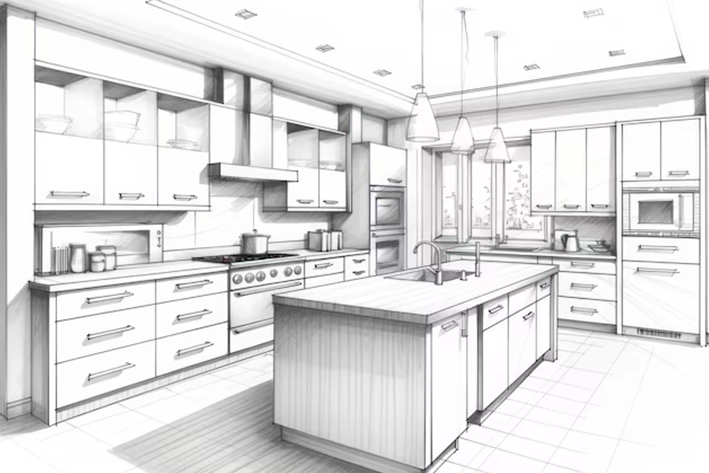
Once we understand your home and usage, we move to layout planning.
This is where the kitchen starts taking shape on paper correctly.
At this stage, we focus on:
- Position of sink, hob, and refrigerator
- Working distances and movement flow
- Appliance placement and clearances
This step ensures the kitchen works comfortably, not just visually.
Technical details are planned here
This is also where we coordinate:
- Plumbing points
- Electrical requirements
- Chimney and ventilation alignment
These decisions are made early so that site work supports the kitchen not restricts it later.
Storage Logic & Internal Planning
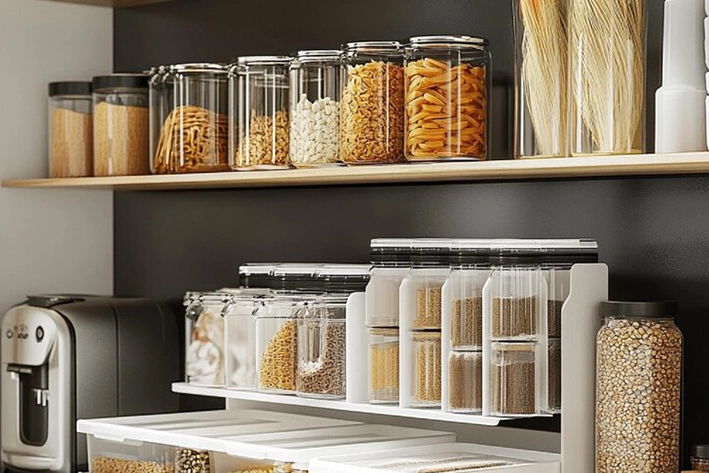
After the layout is fixed, we plan how storage works inside the kitchen.
This step focuses on making sure everything has a place without clutter.
Instead of adding cabinets randomly, we look at:
- What needs to be stored
- How often each item is used
- Who uses the kitchen most
Storage should support daily habits, not fight them.
What this step includes
We plan:
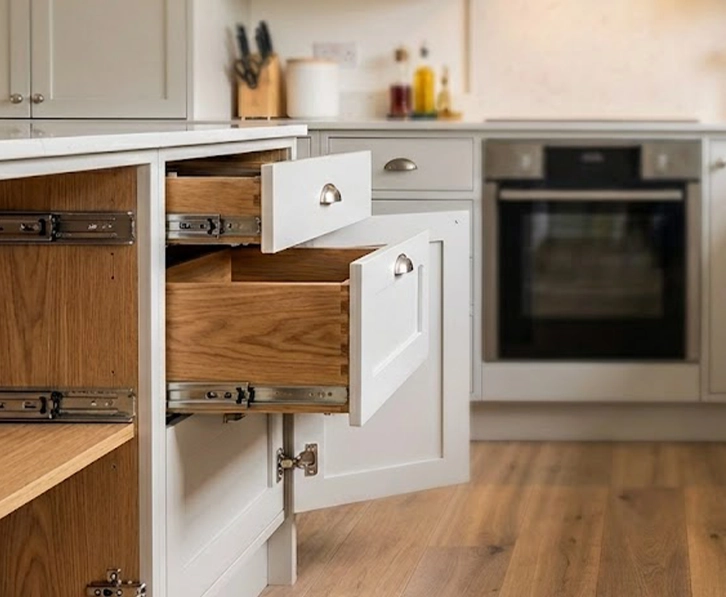
- Drawer sizes and load capacity
- Tall units and appliance housing
- Corner solutions and vertical storage
These internal decisions decide how comfortable the kitchen feels long-term.
Materials, Hardware & Feasibility
Once the layout and storage logic are clear, we move to materials and hardware selection.
At this stage, decisions are no longer guesswork they are based on how the kitchen is planned to function.
We focus on:
- Suitable cabinet materials
- Hardware that supports real usage
- Compatibility with your cooking habits
This ensures the kitchen is practical, durable, and realistic to execute.
Feasibility comes before finalisation
- The design can be executed cleanly
- Materials suit site conditions
- Hardware can handle expected load
Any adjustments are made here before execution begins.
Final Design & Execution Alignment
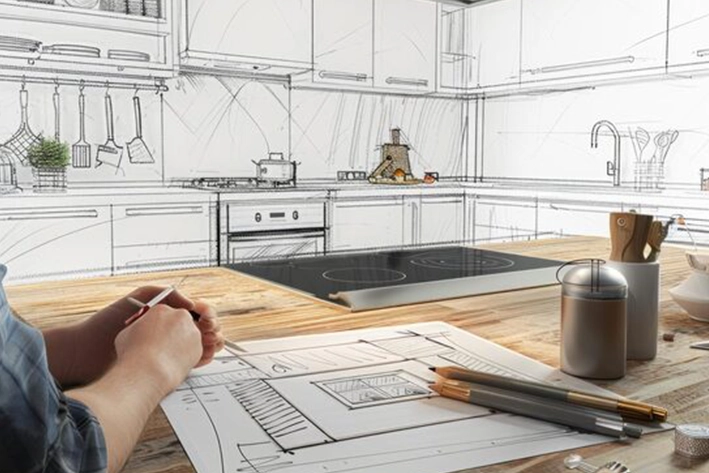
Once planning decisions are clear and feasible, we move towards finalising the design.
This stage ensures that what is planned can be executed accurately on site.
Here, we:
- Lock layouts and internal specifications
- Align final drawings with site conditions
- Coordinate timelines and installation readiness
Nothing is rushed.
Finalisation happens only after clarity.
Why alignment is important
Even a well-designed kitchen can face issues if execution is not aligned with planning.
This step helps:
- Reduce installation delays
- Avoid last-minute changes
- Ensure smoother site coordination
It acts as the bridge between planning and execution.
What This Process Means for You
A structured planning process reduces uncertainty. You know what decisions are being made and why.
For you, this means:
Fewer surprises during execution
Better coordination with site work
Kitchens that function well long after installation
Most importantly, it gives you confidence before committing.
A quiet reassurance
You don’t need to decide everything in one meeting.
Good planning allows decisions to unfold step by step.
That’s how durable kitchens are built.