
Open Kitchen vs Closed Kitchen: Which Is Better for Homes in Kumaon?
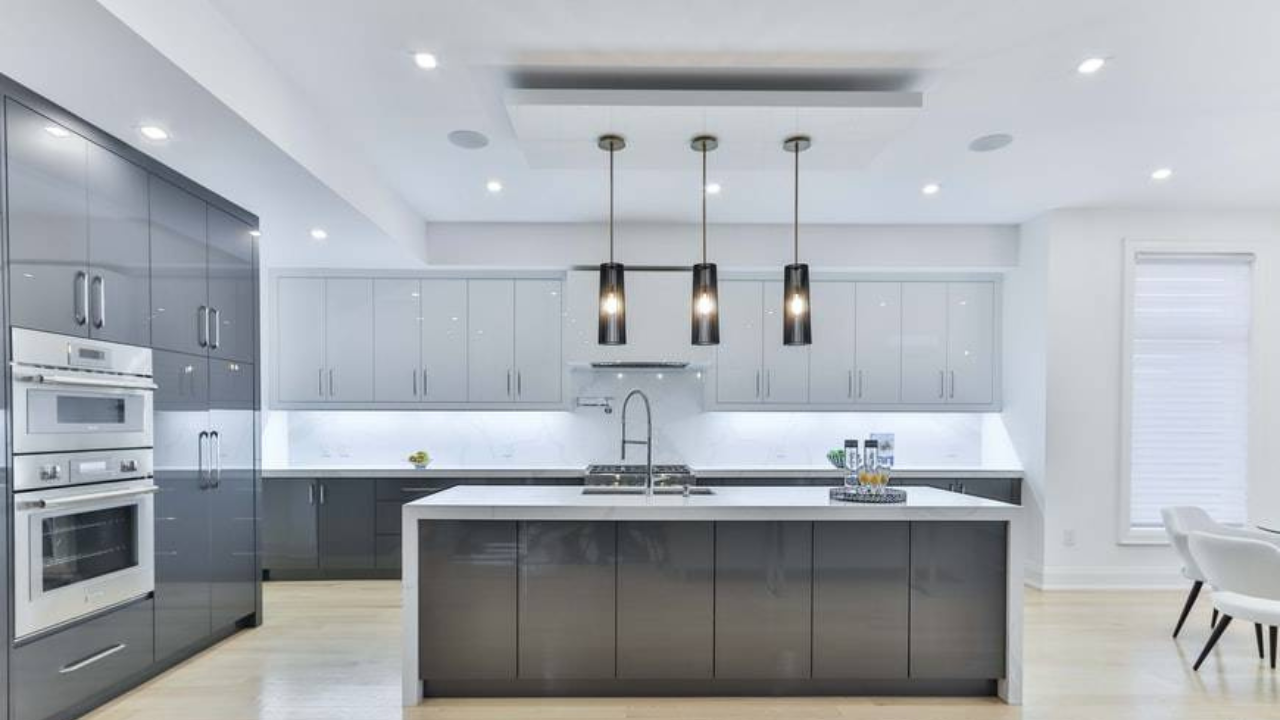
Deciding between an open or closed kitchen layout in Haldwani? Compare pros, cons, climate factors, and heavy cooking realities for modern Kumaon homes.
The Great Layout Dilemma in Modern Uttarakhand Architecture
When planning a home construction or a major renovation project in the Kumaon region—whether it is a modern multi-story villa near Mukhani, a peaceful retirement home along Canal Road, or a contemporary apartment on Bareilly Road—one structural question completely dominates initial design discussions: Should the kitchen layout be wide open or traditionally enclosed?
For generations across Uttarakhand, the cooking area was treated as a completely separate, isolated domestic workstation. It was a functional room tucked away at the back of the house, designed to contain smoke, intense heat, and the heavy visual clutter of daily meal preparation. However, as global architectural trends towards open-plan living sweep through modern residential developments in Haldwani, the physical barriers separating the cooking platform from the living hall are rapidly disappearing.
Choosing between an open floor plan and a traditional closed layout is not merely an aesthetic decision based on luxury interior magazines. For local households, this choice impacts daily family routines, social entertaining habits, cleaning schedules, and how your home handles the unique environmental shifts of the region. To invest wisely in a premium modular kitchen design, you must analyze how both structural formats perform against the real-world demands of regional lifestyles and local climate conditions.
1. The Open Kitchen Format: Spatial Freedom and Modern Dynamics
The fully open-concept kitchen eliminates structural partition walls entirely, turning the cooking zone, dining area, and main living lounge into a single, continuous living space.
The Psychological Impact of Uninterrupted Sightlines
-
Creating a Grand Sense of Scale: As land prices climb in prime residential zones across Haldwani, modern plots are becoming more compact. Removing masonry walls eliminates tight corridors, instantly making a modest floor plan feel twice as large through an expansive line of sight.
-
Flooding the Home with Natural Daylight: Traditional closed layouts often leave the kitchen dark, relying on artificial light during the day. An open setup allows natural morning sunlight streaming from large living room windows to penetrate deep into your meal preparation zones, significantly lowering daytime electricity costs.
-
Enhanced Spatial Airflow: Eliminating boxy partitions allows fresh air to move smoothly throughout the entire floor, preventing the stagnant, stuffy atmosphere commonly found in older, closed architectural styles.
The Evolution of Social Cooking Dynamics
-
Fluid Family Inclusivity: In an open layout, cooking is no longer an isolating chore. A parent chopping vegetables can seamlessly interact with children doing homework at the dining table or keep an eye on toddlers playing in the family room.
-
The Ultimate Setup for Entertaining: When hosting extended family gatherings or weekend getaways for friends, the host remains a part of the party. You can monitor a simmering pot on the cooktop while engaging in face-to-face conversations with guests seated comfortably in the main lounge.
-
Shared Responsibilities: Because the space is completely accessible and inviting, multiple family members can naturally step into the prep zone to help without crowding the space or causing human bottlenecks.
2. The Traditional Closed Kitchen: Privacy, Containment, and Order
The traditional closed kitchen utilizes fixed masonry walls and heavy structural doors to completely isolate the food preparation zone from the public living areas of the house.
Absolute Control Over Cooking Byproducts
-
Containing High-Heat Vapors: Traditional cooking methods rely heavily on deep frying, heavy spice roasting, and using mustard oil at high smoking points. A closed kitchen confines these dense, greasy airborne vapors within four solid walls, protecting your living room's expensive sofas, accent wallpapers, and electronic screens from oily residue.
-
Isolating Strong Culinary Aromas: While a fresh tadka smells incredible in the moment, its strong aroma can linger on living room curtains, upholstery, and soft carpets for days. A closed layout ensures intense aromas are vented directly outdoors before they can migrate across the house.
-
Suppressing Mechanical and Manual Noise: Preparing meals involves significant background noise—from the high-speed whirring of heavy mixers and grinders to the clattering of stainless steel utensils and the rhythmic whistle of a pressure cooker. A closed door acts as an effective acoustic barrier, keeping your living area completely peaceful.
Visual Independence and Cooking Privacy
-
The Luxury of Hidden Clutter: Cooking for a large family or managing a complex multi-course meal creates temporary chaos. In a closed layout, you can comfortably leave unwashed pots, baking trays, and dirty cutting boards in the sink to clean later without impacting the clean appearance of your public living zones.
-
An Undistracted Personal Workspace: For home cooks who treat culinary preparation as a focused, creative art form or a private sanctuary, an enclosed environment provides an intimate workspace free from the casual foot traffic and visual distractions of the living room.
3. Comparing Layout Performance Across Essential Categories
To help guide your choice, look at how open and closed kitchen structures compare across key operational metrics:
| Operational Metric | Open Kitchen Layout Format | Closed Kitchen Layout Format |
| Visual Space Perception | Extremely spacious; maximizes small floor plans and creates a premium, high-end feel. | Compact and defined; can feel restrictive or isolating over extended working hours. |
| Clutter Management | Zero tolerance for mess; every unwashed utensil and countertop appliance is directly exposed to guests. | High tolerance; dirty dishes and prep chaos remain completely hidden behind closed doors. |
| Odor & Grease Isolation | Poor isolation; requires high-capacity ventilation systems to protect living room furniture. | Excellent containment; traps grease particles and heavy tadka smoke within the cooking zone. |
| Acoustic Sound Control | Low dampening; appliance hums and utensil clatter echo directly into the family living area. | High dampening; structural walls absorb high-frequency kitchen appliance noises easily. |
| Social Connectivity | High connectivity; seamlessly integrates the cook into daily family interactions and parties. | Low connectivity; completely cuts off the person cooking from conversations outside. |
| Lighting & Ventilation | Shares abundant natural light and cross-ventilation from neighboring living zones. | Relies heavily on dedicated windows and continuous artificial task lighting. |
4. The Kumaon Factor: Environmental Realities and Lifestyle Nuances
A truly successful kitchen design must adapt seamlessly to local weather patterns and regional lifestyle habits.
Navigating Extreme Seasonal Moisture Fluctuations
-
The Impact of High Humidity: The foothills of Kumaon experience dramatic climatic transitions—from dry, intense summer heat to heavy monsoon rains that fill the mountain air with relentless moisture. In an open kitchen, tracking and managing humidity is critical because damp air can move freely between rooms.
-
Preventing Structural Mold and Cabinet Failure: If your kitchen lacks top-tier ventilation, damp air combined with hot cooking steam will quickly settle into surrounding drywall corners and cabinet bases, leading to hidden mold growth and structural warping.
The Realities of Regional Culinary Habits
-
The Daily Tadka Challenge: Kumaon households cook with deep, robust flavors, meaning mustard oil, ghee, and heavy spices are everyday staples. The aerosolized oil droplets produced by this style of cooking require a specific spatial layout to prevent your entire home from developing a sticky glaze over time.
5. Engineering Best Practices for an Open Layout
If you love the modern, premium look of an open layout but want to avoid its functional drawbacks, your kitchen must be built with high-performance ventilation and smart design choices.
Prioritizing Industrial-Grade Extraction Power
-
High Suction Capacity is Mandatory: Do not install a standard, low-powered chimney in an open floor plan. You need a premium, heavy-duty extraction system boasting a suction capacity of at least 1200 to 1400 cubic meters per hour ($m^3/h$) to capture heavy grease vapors before they spread into your living zone.
-
Brushless DC Motor Systems: Because your kitchen sits directly beside your main lounge, a loud chimney motor will ruin conversations and television viewing. Invest in an advanced, low-decibel (dB) brushless DC motor that runs quietly while maintaining top-tier extraction power.
-
Thermal Auto-Clean Technology: Frequent frying means oil filters clog rapidly. Thermal auto-clean systems heat internal components to liquefy grease and drop it into a removable collection tray automatically, keeping your chimney running at peak efficiency with minimal manual maintenance.
Designing Effective Visual and Physical Barriers
-
The Raised Multi-Tier Breakfast Counter: One of the smartest layout strategies involves adding a raised outer counter edge or an island unit facing the living room. This elevated profile acts as a clean visual screen, hiding dirty prep counters, sinks, and cutting boards from guests in your lounge.
-
Concealed Appliance Garages: To maintain a minimal, uncluttered aesthetic, install dedicated appliance garages featuring premium aluminum roller shutters. These spaces hide your everyday blenders, mixers, and air fryers out of sight when they aren’t in use.
6. Material Choices: Keeping an Exposed Kitchen Looking Pristine
Because an open kitchen is fully visible from your living room, the exterior surface materials you choose will directly impact your entire home's interior aesthetic.
Selecting Easy-to-Clean High-End Finishes
-
Seamless Acrylic Finishes: True premium high-gloss acrylic sheets provide a stunning, mirror-like reflective quality that enhances natural light. They are non-porous, meaning grease and fingerprint smudges can be easily wiped away with a soft microfiber cloth. However, because they are exposed to full view, they require proper maintenance to stay scratch-free.
-
High-Pressure Laminates (HPL): For an open or semi-open layout, opting for modern anti-fingerprint matte white or neutral laminates can create an incredibly clean and elegant aesthetic. Many homeowners worry about the upkeep of lighter colors in Indian cooking environments, but the right grade of laminate handles daily wear effortlessly.
📖 Read More From Our Blog: If you are considering a high-gloss aesthetic, discover the truth about its upkeep, scratch resistance, and daily care routines: 👉 The Ultimate Guide to Maintaining High‑Gloss Acrylic Kitchens in Haldwani: Myths, Scratches & Expert Care Tips.
📖 Read More From Our Blog: Wondering if lighter hues can survive the realities of regional spice-heavy cooking? Separate fact from fiction here: 👉 Is White Laminate Practical for Indian Homes? Myths & Realities for Haldwani Homeowners.
7. The Ultimate Solution: The Semi-Open Hybrid Layout
For most modern families across Uttarakhand, the best choice isn't a strict "either-or" decision. The ideal solution lies in a beautifully engineered hybrid approach that combines the best features of both formats.
The Versatility of Sleek Sliding Glass Partitions
-
Unrestricted Space with Instant Control: By using floor-to-ceiling clear or tinted glass panels framed in slim architectural aluminum profiles, you can enjoy a bright, open feeling throughout the day.
-
Total Isolation When You Need It: When it's time for heavy frying or spice roasting, simply slide the glass doors shut. This instantly seals off grease particles and intense aromas while allowing natural light to flow across the rooms, keeping the cook completely visible to the family.
Smart Layout Zoning for Peace of Mind
-
Isolating the Wet and Heavy Prep Zones: Design your layout so the main sink and primary cooking hob are tucked slightly behind a corner recess or deep partition wall.
-
Exposing the Clean Zones: Keep your premium breakfast island, display crockeries, and coffee counter fully open to the living area, creating an inviting social hub without exposing the messy details of heavy meal prep.
8. Crucial Pre-Construction Verification Checklist
Before signing off on an estimate or starting your kitchen renovation, make sure your layout plan includes these five key structural parameters:
-
Insist on 100% Water-Proof Structural Material: Make sure all base drawer modules are built using authentic IS:710 certified Boiling Water Proof (BWP) marine plywood to handle local humidity and accidental plumbing leaks.
-
Map Dedicated Concealed Utility Routing: Plan your gas pipelines, fresh water lines, and waste drainage channels early to ensure they run cleanly hidden inside the cabinetry walls rather than showing across your open floor plan.
-
Incorporate Countertop Stone Drip Grooves: Ensure your stone fabrication team cuts a continuous water-drip groove underneath your countertop overhang. This small detail prevents accidental spills from running down your premium exterior cabinet doors.
-
Audit Electrical Load Capacities Early: Map out heavy electrical plug points for your chimney, microwave, dishwasher, and water purifiers during the initial framing phase to avoid unsightly extension cords across your open counters.
-
Insist on Factory-Precision Edge Banding: Avoid raw, manual on-site laminate pasting. Insist on machine-finished panels with factory-pressed PUR edge banding to create air-tight seals that protect against steam damage.
Final Verdict: Aligning Your Layout with Your Real Lifestyle
The decision between an open and closed kitchen layout ultimately depends on your personal lifestyle priorities. If your home revolves around a modern, fast-paced life where you value social interaction, natural light, and spacious design, an open layout paired with a heavy-duty chimney is an excellent match.
However, if your household prefers traditional, deep-cooking methods with a lot of spice roasting, and you want a clean living room free from kitchen noise and clutter, a closed layout or a semi-open glass hybrid design is the most practical choice for long-term comfort.
🔴 BOOK A PROFESSIONAL KITCHEN DESIGN AUDIT
Still unsure which layout format fits your home's floor plan best? Let our experienced engineering team design a beautiful, high-performance workspace custom-tailored to your family's needs. Book a Professional Kitchen Ergonomics & 3D Layout Consultation (Worth ₹5000) with our design experts today for free.
Every consultation request is processed through our verified tracking system, ensuring clear project breakdowns, material specifications, and transparent budgeting with no hidden costs.
👉 [Request Your Free Kitchen Design Consultation Now]
📞 Call/WhatsApp: +91 8979123945
📍 Visit Our Showroom: Kaladhungi Road, Haldwani.
🌐 Explore Our Work: www.kitchenworldhaldwani.com
Tags
Written by
Kitchen World