
The Truth About Kitchen Hardware: Why Soft-Close Matters
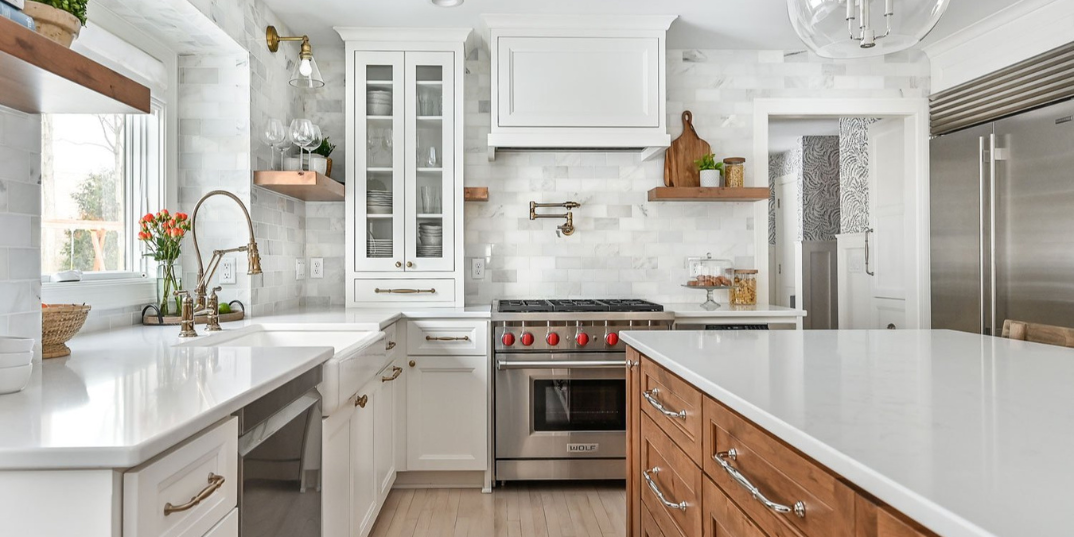
Discover why premium soft-close hardware is an essential investment that protects your custom cabinets from damage, eliminates noise, and ensures durability.
When mapping out a home renovation or planning a premium new kitchen, it is incredibly common to focus entirely on visual presentation. Homeowners routinely allocate large blocks of time to exploring structural layout shapes, selecting the perfect grain of low-porosity engineered stone, or testing the reflective depth of premium high-pressure gloss laminates. These decisions create the initial design statement of your home, but they have almost zero impact on how your workspace functions during daily meal preparation.
The true functional quality of a kitchen is determined by its hidden components—the moving architectural hardware systems that handle the daily physical work of the space. While cabinet panels and countertops form the shell, it is the hinges, drawer runners, lift mechanisms, and dampening systems that keep your kitchen running smoothly day after day.
In a typical home, an average kitchen cabinet door or drawer is opened and closed thousands of times over a single year. This constant movement means your hardware systems face continuous physical stress, mechanical friction, and heavy weight impacts.
When a kitchen is built using standard, low-cost hardware options, daily operation can quickly become frustrating. Drawers begin to stick or scrape, cabinet shutters misalign and slam loudly against the frame, and internal tracks slowly warp under heavy weight.
To eliminate these everyday hassles, modern residential engineering relies on soft-close mechanisms. Far from being a luxury add-on, soft-close hardware is an essential structural element that protects your cabinetry from impact damage, minimizes noise, and ensures reliable performance over a ten-year lifespan. This comprehensive guide explores the engineering behind soft-close systems, analyzes their long-term value, and breaks down why high-performance hardware matters for your home.
1. The Physics of Motion Control: How Soft-Close Hardware Operates
To appreciate the practical value of soft-close technology, it helps to look at the mechanical limitations of traditional kitchen hardware. Standard cabinetry hinges and drawer tracks rely entirely on mechanical springs to keep doors closed. When you push a standard door shut, the spring pulls the door in with uncontrolled velocity, causing a loud metal-on-wood impact.
This repeated impact creates structural vibrations that travel through the entire cabinet carcass. Over time, these micro-shocks can loosen mounting screws, crack internal glue lines, and cause delicate items inside to shift or rattle.
The Inner Mechanics of Soft-Close Systems
Soft-close hardware manages this physical energy by incorporating mini hydraulic or pneumatic dampening cylinders directly into the body of the hinge or drawer runner.
-
Velocity Sensing Dampening: As a cabinet door or drawer approaches the frame, the integrated cylinder engages a tiny fluid or air-filled piston. The fluid creates resistance that absorbs the momentum of the moving door, slowing it down smoothly.
-
Controlled Self-Closing: Once the momentum is absorbed, a secondary spring mechanism takes over, pulling the door or drawer completely closed during the last few inches with a quiet, gentle motion.
-
Consistent Multi-Speed Adjustments: Premium hardware brands utilize high-viscosity silicone oils inside their cylinders. This specialized oil maintains its consistency across extreme seasonal temperature shifts, ensuring the soft-close feature operates at the exact same speed during freezing winters and hot summers.
2. Protecting Cabinetry Frameworks from Impact Damage
The most important long-term benefit of investing in soft-close hardware is the protection it provides to your cabinetry foundation.
Preventing Material Breakdown
Most premium modular installations use high-quality wood panels, like true Boiling Water Proof (BWP) marine plywood, to form their interior boxes. While these panels are highly durable, repeated heavy impacts from slamming doors can still cause localized wear.
-
Screwholding Stability: Standard hardware puts sudden, sharp stress on the screw holes every time a door slams shut. Over a few years, this stress can widen the pilot holes in the wood core, causing hinges to sag and doors to misalign. Soft-close systems eliminate these sharp forces, protecting the screw connection points.
-
Edge-Seal Protection: The point where a door shutter meets the cabinet body features an edge-band strip. Constant high-velocity impacts can crack manual adhesives and damage the edge-banding, creating entry points for airborne moisture. Soft-close hardware ensures gentle contact, keeping your edge-seals secure.
3. Maximizing Storage Usability with High-Capacity Tandem Box Systems
Upgrading your lower cabinets to deep drawer systems is a fantastic way to maximize space, but these drawers must be supported by proper mechanical runner tracks to perform efficiently under load.
The Problem with Basic Wire Baskets
Traditional setups often utilize simple stainless steel wire baskets resting on basic side-mounted roller runners. When loaded with heavy everyday items like cast-iron pans, stone spice grinders, or large grain storage containers, these basic tracks can warp under the uneven weight, making the drawers stiff and difficult to pull open.
The Advantage of Under-Mount Tandem Boxes
Modern modular configurations replace traditional wire baskets with full-extension under-mount tandem boxes featuring solid steel or aluminum side walls.
-
High-Capacity Support: These systems are engineered to handle dynamic loads ranging from 30kg to over 65kg without sticking or losing their balance.
-
Full-Extension Accessibility: The drawer tracks extend fully past the front of the cabinet frame, allowing you to look straight down and access items stored at the very back without needing to bend down or rearrange things.
-
Smooth, Safe Motion: Even when fully loaded with heavy cookware, the under-mount synchronized tracks glide open smoothly, and the soft-close mechanism slows the heavy drawer down gently to prevent items inside from sliding around or crashing together.
4. Hardware Selection: Navigating Corrosion and Environmental Stress
When choosing hardware components for your home, it is vital to select materials that can withstand local environmental conditions. High indoor humidity and moisture from washing zones can accelerate rust and corrosion on standard chrome-plated steel hardware.
Over a few seasons, hidden rust can form inside basic hinge springs and drawer runners, causing them to squeak, scrape, and degrade prematurely. To avoid constant maintenance and part replacements, look for specialized technical specifications.
-
Certified SS304 Grade Stainless Steel: Ensure all soft-close hinges, structural baseplates, and brackets are made from certified SS304 grade stainless steel, which contains rich percentages of chromium and nickel to resist rust and oxidation in humid environments.
-
Industrial Powder-Coating: For lower drawer storage, choose tandem box runner systems finished with thick, scratch-resistant powder coatings that protect the internal steel components from air and moisture.
5. Integrating Hardware Strength with Smart Spatial Layouts
Investing in premium soft-close hardware is a major step toward building a durable home workspace, but those moving mechanisms must be integrated into a well-thought-out layout to deliver maximum value. For example, if you place deep, heavy-capacity tandem drawers or tall spice pull-outs away from your main active food preparation zones, you will find yourself constantly walking back and forth across the room, adding unnecessary wear to the track systems.
Transforming your space into an effortless environment requires balancing your heavy-duty hardware selections with a calculated, ergonomic spatial layout that keeps your storage, washing, and cooking zones neatly aligned.
Design Tip: To learn how to integrate high-performance hardware with an efficient spatial layout that reduces daily physical fatigue, take a look at our complete configuration guide. Read More Blog: Smart Storage Solutions for Small Haldwani Kitchens
6. Analyzing Total Cost of Ownership (TCO) vs. Initial Price Tags
When evaluating the budget requirements for your kitchen build, you may find that premium soft-close hardware options carry a higher initial price tag than standard mechanical setups. To make an informed decision, it helps to look past the upfront cost and calculate the Total Cost of Ownership over a ten-year timeline.
The Realistic Cost of Low-End Hardware
-
Upfront Cost: Appears budget-friendly, keeping initial quotation figures low.
-
Hidden Additions: Homeowners often face recurring service costs for replacing rusted tracks, realigning sagging door shutters, and lubricating noisy components.
-
Early Replacement: Cheap hardware mechanisms typically break down within three to five years under daily heavy kitchen use, requiring you to purchase an entire new set of tracks and hinges.
The Investment Value of Certified Soft-Close Systems
-
Upfront Cost: Requires a higher initial investment for precision engineering and durable base materials.
-
Maintenance-Free Longevity: Backed by structural performance certifications, premium soft-close systems operate smoothly for over 100,000 opening cycles without requiring constant adjustments or oiling.
-
Cabinet Preservation: By absorbing everyday closure forces, soft-close hardware extends the lifespan of your custom wooden cabinets, protecting your overall home investment for years to come.
Master Kitchen Hardware Verification Checklist
Before signing a final installation contract or approving a modular manufacturing production blueprint, ensure your design team verifies these five hardware performance standards:
-
Velocity-Sensing Soft-Close Dampening: Confirm that all cabinet doors and drawers incorporate integrated hydraulic or pneumatic soft-close cylinders to prevent slamming.
-
Certified Corrosion Resistance: Specify certified SS304 grade stainless steel for all hinges and mounting plates located near wet utility or high-steam zones.
-
High-Capacity Tandem Support: Ensure all lower storage units use heavy-duty under-mount tandem boxes rated for dynamic loads of 30kg to 65kg.
-
Full-Extension Track Alignment: Check that drawer runners offer full-extension visibility so you can easily reach items stored at the very back of your cabinets.
-
Climate-Stable Cylinders: Verify that the soft-close mechanisms utilize high-viscosity silicone fluids that maintain consistent closing speeds in all seasonal temperatures.
By prioritizing precision-engineered motion control hardware over basic mechanical options, you are investing in a durable, reliable workspace that maintains its performance and daily usability for years to come.
🔴 EXPERIENCE PREMIUM MOTION CONTROL IN PERSON
Ready to feel the difference that precision-engineered soft-close hardware makes for your upcoming home project? Visit our experience center to test our functioning tandem box setups and premium stainless steel component lines firsthand.
-
Call / WhatsApp: +91 8979123945
-
Visit Our Showroom: Kaladhungi Road, Haldwani, Uttarakhand
-
Connect with Our Technical Team: Contact Us
Tags
Written by
Kitchen World