
Why Your Kitchen Never Has Enough Storage, Even If It's Big
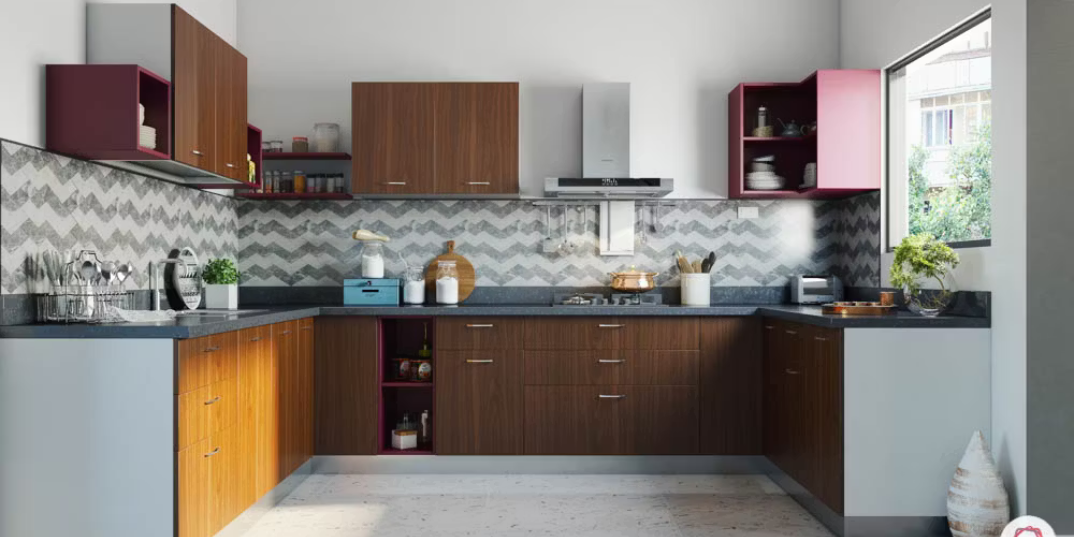
Discover why large kitchens still run out of room. Learn how to eliminate dead volume and optimize your space using smart modular storage strategies.
When embarking on a home design journey or executing a massive architectural build, homeowners often believe that increasing square footage automatically solves all spatial problems. It is incredibly common to assume that if a kitchen floor plan is expansive, storage struggles will simply vanish. Families spend significant energy designing large walk-in layouts, adding sprawling central island countertops, and constructing wide stretches of perimeter walls.
These grand dimensional footprints create a luxurious initial visual statement inside your home. Yet, a remarkably high percentage of homeowners with large kitchens face a frustrating reality within just a few months of moving in: they still run out of functional storage space.
Despite having an abundance of square footage, countertops remain cluttered with small appliances, deep corner cabinets become unmanageable zones, and locating specific cookware feels like a chaotic search.
The underlying truth is that a shortage of kitchen storage is rarely a problem of raw square footage. Instead, it is almost always a failure of volume optimization, internal configuration, and ergonomic workflow planning.
When a large kitchen is planned without a clear understanding of dynamic capacity, it suffers from what architects call "dead volume"—vast, open spaces that look large but cannot be used efficiently.
This comprehensive guide breaks down the hidden design flaws that make large kitchens feel cramped, analyzes the differences between floor area and usable volume, and outlines premium modular strategies to ensure your spacious kitchen delivers true functional storage capacity.
1. The Trap of Deep Base Cabinets and Dead Volume
The most common reason a large kitchen runs out of room is an over-reliance on traditional deep base cabinets with standard swinging doors and fixed internal wooden shelves.
The Illusion of Depth
Standard base cabinets are typically 24 inches deep. On paper, a long row of these cabinets seems to offer massive storage potential. In daily practice, however, standard deep shelving is highly inefficient.
-
The Reaching Problem: To retrieve an item stored at the back of a 24-inch deep lower shelf, you have to bend down, look into a dark space, and physically remove all the items sitting in the front row.
-
The Dark Zone Effect: Because these dark back corners are hard to see and reach, they quickly become dead zones where duplicate grocery items, heavy stone grinders, and seasonal serving platters are lost and forgotten.
-
The Forfeited Upper Half: When you place items on a fixed shelf, you rarely fill the entire vertical height between shelves. The top half of that internal cabinet space remains empty, creating massive amounts of wasted volume across your room layout.
2. Neglecting the Science of Vertical Wall Spaces
Another reason large kitchens fall short on storage is the complete underutilization of vertical wall cavities. Many traditional interior designs focus entirely on the horizontal floor plan, stopping overhead cabinetry at a standard height of 7 feet.
Wasted Ceiling Gaps
Leaving a wide, open gap between the top of your overhead cabinets and a 10-foot ceiling is a major design oversight, especially in spacious rooms. This empty wall zone serves no functional purpose, acting only as a spot that collects floating grease and dust.
When you do not extend storage units upward, you force all your items—from daily spices to bulky seasonal cookware—to compete for limited space in your lower cabinets, quickly leading to crowded counters.
3. Unmanaged Countertops and the Lack of Dedicated Appliance Zones
Large kitchens inherently invite you to purchase and use more cooking tools. Because there is plenty of open counter space, homeowners naturally fill it with essential modern appliances like food processors, microwave ovens, multi-cookers, coffee makers, and air fryers.
The Slow Countertop Takeover
While a long countertop can hold multiple appliances side by side, doing so destroys your preparation space. When small appliances permanently occupy your main work surfaces, they leave very little room for actual food preparation, chopping, and plating.
Without specialised cabinet zones designed to conceal and organize these heavy appliances, your large kitchen can quickly end up looking as messy and disorganized as a much smaller room.
4. The Functional Value of Precision Motion Control Hardware
Even the most carefully calculated storage configuration can fail if its moving components cannot handle the physical demands of a busy household. A large kitchen naturally holds a greater volume of heavy items, meaning your hardware systems face continuous stress and weight impacts.
When deep drawers or pull-out systems are fitted with low-cost, basic mechanical tracks, they can quickly warp under heavy loads, becoming stiff, noisy, and frustrating to use.
To maintain reliable storage access year after year, your custom cabinetry units must be paired with high-capacity, precision-engineered motion control systems.
Design Tip: To understand how advanced dampening mechanisms and soft-close hardware protect your internal cabinet structures from heavy weight stress and long-term wear, explore our structural guide. Read More Blog: The Truth About Kitchen Hardware: Why Soft-Close Matters
5. Modern Modular Strategies to Unlock True Storage Capacity
Transforming a spacious but disorganized floor plan into a high-performance cooking environment requires moving away from basic shelving and adopting specialized volume-maximizing systems.
Upgrade 1: Full-Extension Under-Mount Tandem Boxes
Replacing standard lower cupboard shelves with premium under-mount tandem drawers completely alters how you interact with your space.
-
Total Visual Access: Tandem drawers pull entirely past the front of the cabinet body, allowing you to look straight down at your entire inventory of pots and pans from a comfortable standing position.
-
High Structural Capacity: Built with robust steel side walls and synchronized runner tracks, these systems carry heavy loads of up to 65kg smoothly and close in complete silence.
Upgrade 2: Full-Height Premium Pantry Towers
Instead of breaking up your storage across multiple small cupboards, dedicate a section of your layout to a high-capacity, full-height pantry tower.
-
The Ultimate Grocery Hub: A modular tall pantry uses a single vertical footprint to hold pull-out wire baskets or solid tandem drawers that extend forward when the door opens, bringing your entire dry grocery collection into full view.
-
Ergonomic Organization: This setup lets you group baking supplies, cereals, and daily spices together at eye level, making inventory checks simple and reducing food waste.
Upgrade 3: Vertical Rolling Shutter Appliance Garages
Keep your main preparation counters clear by incorporating dedicated appliance garages built right at the countertop level.
-
Hidden Power Solutions: By installing internal electrical points within these units, your appliances can stay plugged in and ready to use right where they live.
-
Instant Order: A smooth, vertical rolling shutter made of premium polymers lets you hide appliances away instantly when you are done cooking, maintaining clean, open workspaces.
Master Storage Verification Checklist for Large Kitchens
Before finalizing your upcoming home layout or approving a modular production blueprint, ensure your design team checks off these five essential storage optimization standards:
-
Zero Fixed Shelf Lower Base Units: Replace deep, dark lower base cupboards with full-extension under-mount tandem drawers for total visibility.
-
Ceiling-Height Vertical Extensions: Build all overhead storage units and lofts completely flush with the ceiling line to capture unused vertical space.
-
Mechanical Corner Accessories: Equip all L-shaped or U-shaped intersections with Magic Corners or LeMans pull-out systems to reclaim dead space.
-
Dedicated Appliance Centers: Incorporate mid-tall appliance garages with smooth rolling shutters and internal power plugs to keep counters completely clear.
-
High-Capacity Pantry Integration: Allocate at least one vertical wall zone for an integrated full-height pantry tower to centralize dry grocery storage.
By looking past simple floor space and focusing on complete volume optimization, deep drawer systems, and full-height vertical cabinetry, you can turn a large kitchen into an incredibly efficient, organized workspace that supports your daily routine for decades.
🔴 REQUEST A CUSTOM SPATIAL STORAGE EVALUATION
Ready to eliminate dead space and maximize the true functional capacity of your upcoming kitchen build? Bring your architectural floor plans to our experience center for a complete, 3D volume-optimization audit.
-
Call / WhatsApp: +91 8979123945
-
Visit Our Showroom: Kaladhungi Road, Haldwani, Uttarakhand
-
Connect with Our Spatial Design Team: Contact Us
Tags
Written by
Kitchen World