
Why Beautiful Kitchens Often Become Frustrating to Use
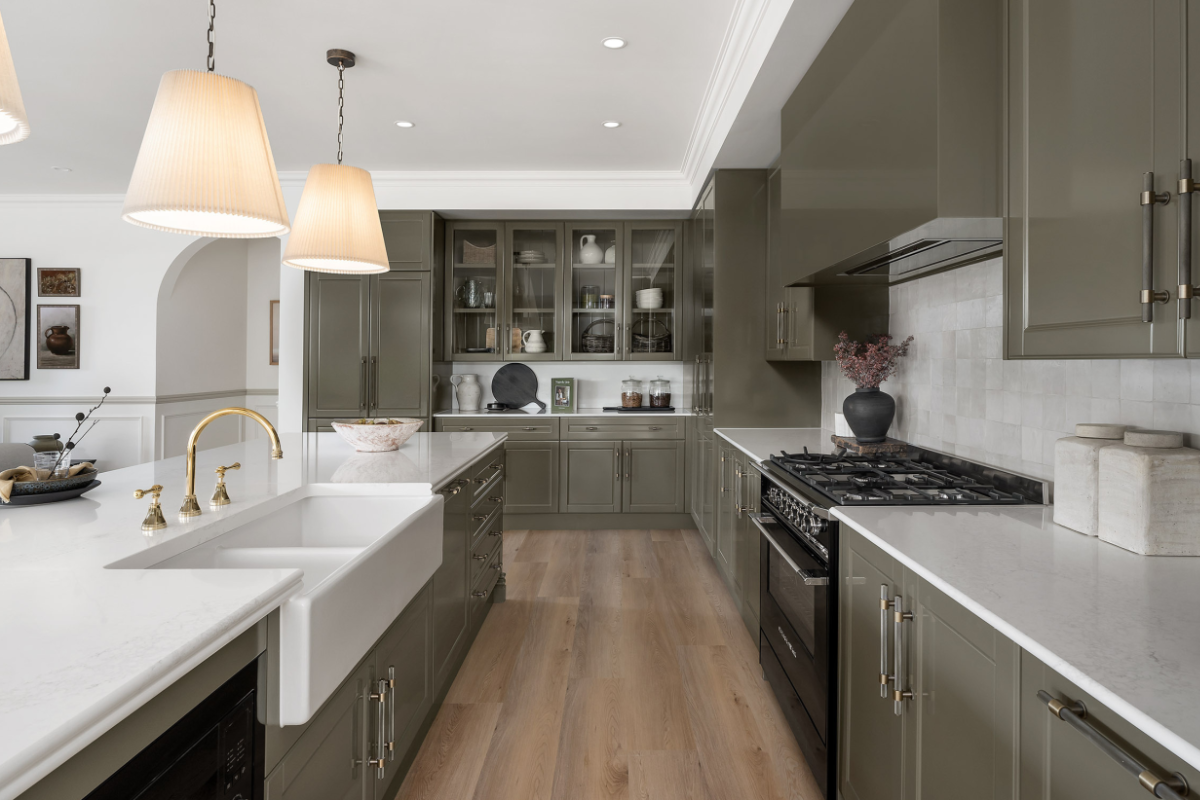
Explore the hidden design flaws, ergonomic mistakes, and climate challenges that turn gorgeous, high-end kitchens into daily operational nightmares.
The Psychological Trap of Visual Perfection
It happens all too frequently in home design. You spend months browsing high-end interior design portfolios, scanning social media boards, and walking through pristine retail showrooms. You carefully select a striking, handle-less modular kitchen setup complete with soft-closing premium channels, a stunning quartz countertop with subtle gold veining, and a trendy matte-black sink. When the installation wraps up and the final micro-led profile lights are switched on, the space looks flawless. It feels like an architectural work of art, a showcase piece meant to define the elegance of your entire home.
But three months down the line, daily life begins to test this visual masterpiece, and reality sets in with a vengeance.
Every time you cook a proper, multi-course family meal, you realize that the trash bin is located too far from the primary chopping zone, forcing you to carry dripping vegetable peels and wet organic waste across your pristine tiled floor. The overhead hydraulic cabinet shutters open elegantly with a gentle push, but they lift so high into the air that you need to stand on your tiptoes or grab a wooden footstool just to pull them back down. The elegant matte-black sink shows stubborn white water spots and calcium scales that require constant scrubbing, and the beautiful deep corner cabinet has turned into a dark, inaccessible storage abyss where your expensive pots and pans go to be forgotten forever.
Suddenly, your dream kitchen doesn't feel like a sanctuary—it feels like a daily test of patience, coordination, and physical endurance. Why does this happen so consistently to well-budgeted homes? Why do genuinely beautiful kitchens so often transform into frustrating, inefficient spaces to use? The answer lies in a fundamental imbalance between pure visual art and structural, ergonomic science. When aesthetics are allowed to override physics, ergonomics, and regional environmental realities, the kitchen ceases to be a functional workspace and becomes an expensive lifestyle compromise.
1. The Core Culprit: Design Form Crushing Daily Function
In professional architecture and industrial product design, there is an unshakeable law that has governed successful creations for over a century: form must follow function. When it comes to residential kitchen design, this law is frequently ignored in favor of surface-level styling, symmetry, and minimalist photography trends. Homeowners often treat a kitchen like a secondary living room or a formal bedroom, choosing elements based entirely on how they look when empty, inactive, and completely sterile.
The Reality of an Active Kitchen
A kitchen is not a static display area; it is a high-intensity, multi-sensory workshop. On any given day, it functions simultaneously as a chemistry lab, a high-heat thermal zone, a wet washing station, and a heavy-duty storage inventory hub. It handles razor-sharp knives, boiling liquids, staining organic spices like turmeric and saffron, heavy cast-iron cookware, and corrosive cleaning agents. It is subject to rapid temperature changes, localized humidity spikes, and physical impacts.
When an interior designer prioritizes pure visual minimalism over these active daily realities, functionality breaks down quickly. For example, removing handles entirely to create a seamless wall of cabinetry looks sleek in a professional photograph. However, if those touch-to-open mechanical latch systems are installed in a heavy-duty Indian kitchen, you will constantly be bumping into them with your knees, hips, or elbows while carrying hot pots or washing dishes, causing doors to pop open unexpectedly at the worst possible moments. Furthermore, touching the lacquered doors with oil-stained or flour-dusted fingers during active food preparation leaves constant smudges that require non-stop wiping, turning an intended minimalist aesthetic into a high-maintenance nightmare.
2. Showroom Traps vs Real-World Kitchen Realities
When buying a new modular kitchen, it is easy to get swept away by a polished retail display without considering how that exact configuration will perform under the pressure of actual, everyday cooking.
Showrooms are carefully curated, artificial environments designed to sell a luxury lifestyle. The lighting is perfectly positioned from hidden angles to highlight reflective surfaces, the cabinets are entirely empty, the drawers contain nothing but velvet organizers, and there are no active steam clouds, dirty dishes, or bulky spice jars creating clutter. There are no grocery bags blocking the pathways, and no family members walking past trying to grab a glass of water while you are handling hot oil. If you replicate a showroom layout exactly without modifying it for your household's unique cooking style, family size, cultural dietary habits, and grocery storage needs, you are likely to run into functional issues very early on.
📖 Read More From Our Blog: To learn how to spot common showroom design traps, avoid costly retail marketing illusions, and understand how different premium finishes handle real-world cooking conditions over time, read our guide: 👉 The Definitive Guide to Modular Kitchens: Reality vs Showroom Expectations
3. Top Architectural Mistakes That Make Gorgeous Kitchens Painful
Mistake 1: Ignoring the Vertical Reach Zones
Human ergonomics are dictated by natural physical boundaries, joint angles, and height limitations. A kitchen's storage systems should never be laid out based on visual symmetry alone; instead, they must be divided into three distinct vertical zones based on ease of physical access:
-
The Primary Zone (The Comfort Zone): This space is located between your knuckles and your shoulders when standing naturally. This is where your most frequently used items—like everyday cooking spices, salts, cooking oils, daily pots, pans, chopping boards, and primary cutlery—must live. Accessing this zone requires no stretching, bending, or straining.
-
The Secondary Zone: This space is located down at your shins or up just above your head, within comfortable arm's reach without requiring a stool. This space is meant for items you use once or twice a week, such as specialized baking dishes, mixers, air fryers, blenders, or heavy serving platters reserved for weekend guests.
-
The Tertiary Zone (Deep Storage): This space is located below the shins (deep floor level) or high up near the ceiling (loft space). This should be strictly reserved for seasonal appliances, holiday cooking gear, or bulk dry groceries that are only pulled out once a month for inventory replenishment.
When a kitchen looks beautiful but feels frustrating to use, it's often because this vertical hierarchy has been completely ignored to maintain external styling lines. If your daily dinner plates are stored in a deep base cabinet that requires you to bend down completely every single evening, or if your everyday spices are tucked away in a high overhead cabinet that requires a calculated reach, the layout is actively working against your body, causing cumulative micro-strain on your lower back and shoulders over time.
The Ergonomic Vertical Reach Hierarchy:
-
Top Level - Tertiary Zone (Lofts & High Shelves): Best for seasonal items, large festival pots, bulk storage sacks. Requires a step stool to access safely.
-
Mid-High Level - Secondary Zone (Upper Cabinet Base): Best for weekly small appliances, specialized bakeware, extra glassware.
-
Counter Level - Primary Zone (Countertop & Upper Drawers): Best for daily spices, cooking oils, primary cutlery, chopping boards. Absolute zero physical strain.
-
Low-Mid Level - Secondary Zone (Mid-Level Base Drawers): Best for daily pots, pans, mixing bowls, pressure cookers. Accessible with minimal bending.
-
Floor Level - Tertiary Zone (Deep Base Floor Level): Best for heavy grain storage containers, backup cylinders, rarely used cast-iron items.
Mistake 2: Poor Countertop Material Selection
Natural white marble countertops look incredibly elegant and can give a kitchen a high-end, luxurious, timeless feel. However, from a chemical and physical standpoint, natural marble is highly porous and chemically reactive to acids due to its calcium carbonate composition.
If you accidentally spill lemon juice, vinegar, wine, or traditional Indian gravies containing turmeric or tomato paste on an unsealed marble surface and fail to wipe it up immediately, the liquid will soak deep into the stone's microscopic pores. This leaves behind permanent dark stains or dull, etched marks that cannot be simply wiped away with water or standard soaps. Choosing a countertop material based solely on its appearance, without considering its stain resistance, porosity, and maintenance requirements, leads to a space where you are constantly terrified of actually cooking a meal.
Mistake 3: Insufficient Countertop Counter-Space (Landing Zones)
A common layout mistake in modern kitchens is placing major appliances right next to each other to group tall units together visually. For instance, if your built-in microwave oven tower, tall refrigerator, and cooking hob are squeezed close together to leave a long, open counter on the far side of the room, your primary work area will feel incredibly cramped.
Every major appliance needs an adjacent landing zone—a clear section of countertop right next to it to act as a physical buffer. Your stove needs open space on both sides to safely set down hot pans, stir rices, or place ingredients mid-cook. Your refrigerator needs immediate counter space next to it so you don't have to walk across the kitchen floor to set down items when unpacking heavy groceries or gathering items for a meal. Without these landing zones, your workflow breaks down into a chaotic dance of carrying items back and forth across open pathways.
4. The Regional Factor: Why Climate and Geography Matter
A massive reason beautiful kitchens fail completely is that they are often designed using a one-size-fits-all approach copied from Western design magazines or coastal urban cities, completely ignoring regional climate conditions. This issue is particularly evident in homes built across mountain terrains and hilly regions.
In areas like the Kumaon hills, regional factors like high atmospheric moisture, heavy seasonal monsoons, mountain mists, and long winter dampness create severe structural challenges for standard interior woodwork. A kitchen built using standard commercial plywood, low-grade particle board, or medium-density fiberboard (MDF) might look beautiful in a dry, temperature-controlled city showroom, but it will quickly absorb airborne moisture in a humid hill climate.
Within a few seasons, the wood can swell, structural joints can warp, internal hinges can start sagging from the softened screw hold, and toxic mold can begin growing inside dark, unventilated corners. This creates a musty, damp smell, ruins stored dry foods, and eventually causes the entire internal structure of your premium kitchen to rot from within.
📖 Read More From Our Blog: If you are building or renovating a home in a hilly, high-humidity, or mountainous area and want to understand the exact science of selecting core materials that resist moisture, handle temperature drops, and stand the test of time, read our technical breakdown: 👉 Why Kitchens Fail in the Hills: The Science of Moisture‑Proof Modular Kitchens in Kumaon
5. The Nightmare of Poor Lighting Architecture
Many homeowners invest heavily in a central decorative chandelier or a series of modern recessed ceiling spotlights to create a dramatic look. While this type of lighting makes the room look beautiful from a distance, it often fails completely as a functional lighting setup for active food preparation.
The Shadow Effect
If your kitchen's only light sources are mounted on the main ceiling directly behind you when you stand at the counter, your body will completely block the light. You will cast a dark shadow over your chopping board, your stove, and your sink, forcing you to work in dim conditions where it's easy to miss a spot while cleaning vegetables or misjudge a knife cut.
To fix this issue, a functional kitchen requires a layered lighting strategy. You must have targeted task lighting:
-
Under-Cabinet LED Profiles: Installed underneath the upper cabinets to cast bright, direct, shadow-free light over your preparation counters.
-
Internal Drawer Lights: Motion-activated sensor lights that illuminate the inside of deep drawers the moment they are pulled open.
-
Chimney Task Lights: Built-in heat-resistant lights over the hob to let you accurately check the color and texture of your food while it cooks.
6. Smart Design Solutions to Fix Functional Frustrations
If you want to ensure your kitchen project is both visually stunning and highly efficient, make sure your plans incorporate these proven design solutions that balance looks with everyday usability:
Trade Deep Base Shelves for Pull-Out Drawers
Traditional under-counter cabinets with standard swinging doors and fixed internal wooden shelves are one of the biggest sources of daily physical frustration in older kitchen designs. To reach an item stored at the back of a deep lower shelf, you have to get down on your knees, pull out everything stored at the front, reach into the dark to grab what you need, and then pack everything back in.
The solution is simple: replace lower shelves with full-extension modular drawer systems, often called tandem boxes. When you pull a drawer out, the entire contents of that storage module move smoothly into the light, allowing you to see and grab exactly what you need from above in seconds without any physical strain or unnecessary bending.
Incorporate Specialized Corner Hardware
L-shaped and U-shaped layouts naturally create deep corner intersections where two countertop sections meet at a 90-degree angle. In standard carpentry, these corners often turn into completely dead space because they are incredibly deep, dark, and awkward to reach into.
Modern modular hardware offers excellent mechanical solutions to this problem. Installing mechanism-driven corner systems, like a Magic Corner or a LeMans Pull-Out, allows you to utilize every inch of that space. These systems use interconnected metal baskets that glide smoothly out of the cabinet when you open the door, bringing items stored deep in the corner right out into the open for easy access.
Functional Solutions vs Traditional Layout Problems:
-
Traditional Problem - Deep Fixed Base Shelves: Forces you to bend down, kneel, and dig through dark cabinet interiors to find hidden items.
-
Modern Modular Solution - Full-Extension Tandem Drawers: Brings the entire contents out into the light with a gentle pull; items are visible from above.
-
Traditional Problem - Blind Corner Voids: Dead space where heavy pots are lost, covered in cobwebs, and unreachable.
-
Modern Modular Solution - Magic Corners / LeMans Pull-Outs: Articulated metal baskets swing out of the cabinet smoothly, maximizing storage.
-
Traditional Problem - Ceiling-Only Spotlights: Casts a shadow of your body directly onto your chopping board and food prep areas.
-
Modern Modular Solution - Under-Cabinet LED Task Profiles: Illuminates the workspace directly, ensuring safe knife work and clean preparation.
-
Traditional Problem - Inadequate Trash Placement: Trash bin sits in a separate corner, leading to spills across the clean floor.
-
Modern Modular Solution - Under-Sink Pull-Out Waste Bins: Placed directly beneath the preparation zone for instant, hands-free waste disposal.
7. Your Pre-Design Functional Audit: Questions to Ask
Before you finalize your kitchen floor plan, sign off on 3D interior renders, or select your final materials, take a moment to walk through this comprehensive functional audit to ensure your layout is built for long-term comfort:
-
Where does the organic waste go? Is your daily dustbin placed directly beneath or right next to your primary chopping and peeling zone, or will you have to carry wet waste across the room, risking drips on your clean floors?
-
Can two people work together comfortably? Is your central walkway wide enough (ideally 4 feet) for someone to open the dishwasher, oven, or refrigerator door without completely blocking the path of another cook?
-
Is your countertop height optimized for your body? Does the platform sit comfortably 4 to 6 inches below your elbow height, or will you find yourself constantly hunching over while chopping veggies?
-
Are your heavy-use appliances easily accessible? Are everyday appliances like mixers, grinders, and air fryers sitting at a comfortable counter height with nearby power outlets, or are they tucked away on high shelves where they are a hassle to lift and use?
-
Is your ventilation system powerful enough? Does your kitchen layout feature a clear, direct path for your chimney pipe to exhaust grease and smoke outside, or does it require multiple bends that will reduce the chimney's suction power and leave a greasy residue on your cabinets?
Conclusion: Achieving Long-Lasting Kitchen Luxury
True luxury in a modular kitchen isn't just about choosing the most expensive finishes, the trendiest color palettes, or following the latest international design magazines. True luxury is found in seamless, effortless, and intuitive functionality. It's the daily comfort of working in a space where every drawer opens smoothly, every tool is right where you expect it to be, and the materials are durable enough to handle your regional climate, cooking style, and household routine with ease.
By focusing on smart ergonomics, proper lighting, reliable regional moisture protection, and a practical layout first, you can create a culinary space that is both stunningly beautiful to look at and a genuine, stress-free joy to use every single day.
🔴 BOOK YOUR CUSTOM KITCHEN FUNCTIONAL AUDIT TODAY
Want to make sure your upcoming kitchen design is just as practical as it is beautiful? Don't risk spending your hard-earned budget on a layout that looks good on paper but ends up being frustrating to use in real life. Book a Comprehensive Kitchen Layout & Ergonomics Consultation (Worth ₹4,999) with our experienced design team today entirely for free.
We will help you map out an efficient workflow, choose the right climate-appropriate materials for your home, and optimize your storage placement to fit your daily routine perfectly.
👉 [Click Here to Book Your Free Design Consultation Now] 📞 Call / WhatsApp: +91 8979123945 📍 Visit Our Showroom: Kaladhungi Road, Haldwani. 🌐 Explore Our Design Portfolio: www.kitchenworldhaldwani.com
Tags
Written by
Kitchen World