Modular Kitchen vs Traditional Kitchen: Which Is Better for Your Home?
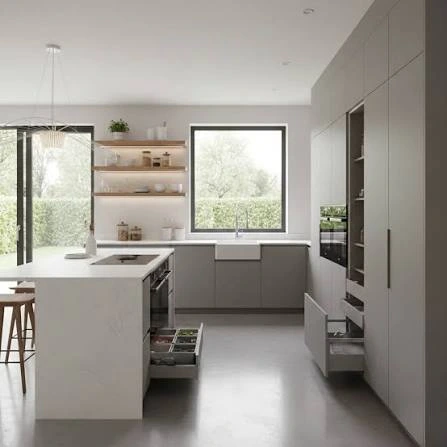
Compare modular kitchen vs traditional kitchen designs, costs, materials, storage and maintenance. Find the right kitchen for your home in Haldwani.
The kitchen is one of the most important spaces in every home. It is where everyday meals are prepared, family conversations happen, and daily routines begin. As home interiors continue to evolve, homeowners are paying more attention to kitchen design, functionality, storage, and appearance.
When planning a new kitchen or renovating an existing one, one common question comes up: Should you choose a modular kitchen or a traditional kitchen?
Both kitchen styles have their own advantages. A traditional kitchen offers a familiar layout and construction style, while a modular kitchen provides organised storage, modern designs, and customised solutions for different spaces.
If you are exploring modular kitchen designs in Haldwani or planning a kitchen renovation, understanding the difference between these two options can help you make the right decision.
Let's compare modular kitchens and traditional kitchens based on design, cost, storage, materials, maintenance, and functionality.
1. What Is a Modular Kitchen?
A modular kitchen is a modern kitchen system made up of pre-designed cabinets, drawers, shelves, and storage units. These individual modules are manufactured to fit together and create an organised kitchen layout.
Modular kitchen designs are available in different configurations, including L-shaped, U-shaped, straight, parallel, and island kitchens. The layout is selected according to the available space, cooking requirements, and overall home interior design.
One of the biggest advantages of a modular kitchen is its organised storage. Homeowners can choose different cabinet types, pull-out units, corner solutions, drawers, and kitchen accessories according to their needs.
Key features of a modular kitchen:
-
Pre-designed and customised cabinet modules.
-
Smart kitchen storage solutions.
-
Different layouts for small and large kitchens.
-
Modern finishes, colours, and materials.
-
Organised drawers, shelves, and pull-out accessories.
-
Easier replacement or modification of individual units.
For homeowners looking for modern modular kitchen designs, this system offers a combination of functionality, organisation, and contemporary style.
2. What Is a Traditional Kitchen?
A traditional kitchen is generally constructed directly at the site using materials such as bricks, cement, tiles, wood, and concrete.
Unlike modular kitchens, traditional kitchen cabinets and storage structures are usually built according to the dimensions and layout of the available space. Shelves, platforms, and storage compartments are constructed as part of the kitchen structure.
Traditional kitchens are often preferred by homeowners who want a simple, familiar, and permanent kitchen setup.
Key features of a traditional kitchen:
-
Cabinets and storage structures built on-site.
-
Fixed shelves and storage compartments.
-
Construction based on the available kitchen space.
-
Customised platform dimensions.
-
Limited flexibility for future changes.
-
Repairs or modifications may require construction work.
Traditional kitchen designs can work well for homeowners who prefer conventional layouts and fixed kitchen structures.
3. Modular Kitchen vs Traditional Kitchen: Key Differences
Understanding the differences between modular and traditional kitchens makes it easier to decide which kitchen design suits your home.
| Comparison | Modular Kitchen | Traditional Kitchen |
|---|---|---|
| Construction | Pre-manufactured modules assembled on-site | Built directly at the site |
| Design | Modern and customisable | Usually conventional and fixed |
| Storage | Organised drawers and modular accessories | Fixed shelves and cabinets |
| Installation | Generally faster after design and manufacturing | Can require more on-site construction |
| Maintenance | Individual modules can often be repaired or replaced. | Repairs may involve civil work. |
| Flexibility | Easier to modify or rearrange certain units | Changes can be more difficult. |
| Appearance | Available in contemporary finishes and styles | Depends on construction and finishing. |
| Space utilisation | Designed around available kitchen space | Depends on the built-in layout. |
Both options can serve everyday cooking needs. However, modular kitchen designs offer greater flexibility when it comes to storage planning, accessories, and modern kitchen organisation.
4. Modular Kitchen vs Traditional Kitchen: Which Offers Better Storage?
Storage is one of the most important factors when choosing a kitchen design. A well-planned kitchen should provide enough space for utensils, groceries, appliances, cookware, and everyday essentials.
Storage in a Modular Kitchen
A modular kitchen is designed to make better use of available space through organised cabinets and specialised accessories.
Popular modular kitchen storage solutions include:
-
Pull-Out Baskets: Useful for storing groceries, bottles, and everyday kitchen items.
-
Corner Units: Help utilise difficult-to-reach corner spaces.
-
Deep Drawers: Provide organised storage for heavy utensils and cookware.
-
Tall Units: Offer additional storage for groceries and kitchen appliances.
-
Wall Cabinets: Make use of vertical space for storing frequently used items.
-
Cutlery Organisers: Keep spoons, forks, and other small kitchen essentials organised.
These modular kitchen accessories help reduce clutter and make everyday cooking more convenient.
Storage in a Traditional Kitchen
Traditional kitchens generally use fixed shelves, cabinets, and storage compartments.
While these structures can provide sufficient storage, the organisation depends on the original design and available space. Adding new storage solutions later may require carpentry or construction work.
For homeowners who want organised kitchen storage and better use of available space, a modular kitchen can offer more specialised options.
5. Which Kitchen Is More Cost-Effective?
The cost of a modular kitchen or traditional kitchen depends on several factors, including kitchen size, materials, hardware, finishes, storage requirements, and installation.
Modular Kitchen Cost
The modular kitchen cost depends on the selected design, materials, cabinet configuration, accessories, and hardware brands.
For example, a simple modular kitchen with standard finishes will have different pricing from a premium kitchen featuring specialised storage accessories, high-quality hardware, and advanced finishes.
The main factors affecting modular kitchen prices include:
-
Kitchen size and layout.
-
Cabinet materials and finishes.
-
Quality of hinges and drawer channels.
-
Number of drawers and pull-out accessories.
-
Countertop material.
-
Installation and finishing requirements.
Traditional Kitchen Cost
Traditional kitchen construction costs depend on civil work, masonry, carpentry, tiles, countertops, and finishing materials.
Although some traditional kitchen designs may have lower initial material costs, additional construction work, labour, and future modifications can affect the overall expense.
So, which kitchen is more cost-effective?
There is no fixed answer. The right choice depends on your kitchen requirements, material selection, long-term maintenance, and overall design plan.
Instead of comparing only the initial kitchen cost, consider the quality of materials, durability, functionality, and everyday convenience.
6. Which Kitchen Design Is Easier to Maintain?
Kitchen maintenance is another important factor to consider before choosing between a modular and traditional kitchen.
Maintaining a Modular Kitchen
Modular kitchen cabinets are generally designed for organised use and easier access to individual storage units.
If a cabinet shutter, drawer channel, or particular accessory needs attention, the affected component can often be repaired or replaced without disturbing the entire kitchen.
However, modular kitchen maintenance also depends on proper cleaning, suitable materials, and protection from excessive moisture.
Maintaining a Traditional Kitchen
Traditional kitchens usually have fixed structures made from masonry, tiles, wood, or other construction materials.
Cleaning the platform and shelves is generally straightforward, but repairs involving damaged cabinets, tiles, or built-in structures may require additional work.
A well-maintained traditional kitchen can also last for many years.
For both kitchen styles, regular cleaning, proper ventilation, and protection from water leakage are important for maintaining durability.
7. How Important Are Materials and Hardware in Kitchen Design?
Whether you choose a modular kitchen or a traditional kitchen, the quality of materials plays a major role in its durability and performance.
A good kitchen design is not only about appearance. It should also withstand everyday use, moisture, heat, and frequent opening and closing of cabinets.
Important Modular Kitchen Materials
Some commonly used materials in modular kitchen construction include:
-
Plywood: A popular choice for kitchen cabinets, available in different grades and specifications.
-
MDF: Used in certain cabinet and decorative applications, depending on the product specification and moisture exposure.
-
Particle Board: An engineered wood product commonly used in selected furniture applications.
-
Laminate: Available in different colours, textures, and finishes for cabinet surfaces.
-
Acrylic Finish: Provides a smooth, glossy appearance for modern modular kitchen cabinets.
The right material depends on the kitchen layout, usage, moisture conditions, and overall design requirements.
Why Does Kitchen Hardware Matter?
Kitchen hardware directly affects the everyday performance of cabinets and drawers.
Good-quality hinges, channels, handles, and pull-out accessories help ensure smooth movement and convenient access.
Brands such as Hettich, Häfele, and Blum offer different kitchen hardware solutions. The right selection depends on the cabinet design, load requirements, and usage.
When planning a modular kitchen, always consider both the cabinet material and the quality of the hardware.
8. Which Kitchen Layout Is Best for Your Home?
The best kitchen layout depends on the available space, movement requirements, storage needs, and cooking habits.
Modular kitchens offer several layout options that can be customised according to different home designs.
L-Shaped Modular Kitchen: An L-shaped kitchen uses two adjoining walls and works well for many small and medium-sized kitchens.
U-Shaped Modular Kitchen: A U-shaped kitchen uses three sides for cabinets and countertops, providing generous working and storage space.
Parallel Modular Kitchen: Also called a galley kitchen, this layout features two parallel countertops and works well in narrow kitchen spaces.
Straight Modular Kitchen: A straight kitchen places cabinets and appliances along a single wall, making it suitable for compact homes and open-plan spaces.
Island Modular Kitchen: An island kitchen includes a separate central counter that can provide additional workspace, storage, or seating where sufficient space is available.
Choosing the right modular kitchen layout helps improve movement, storage, and overall kitchen functionality.
9. Common Mistakes to Avoid When Planning a New Kitchen
A beautiful kitchen design should also be practical for everyday use. Before finalising your modular kitchen or traditional kitchen plan, avoid these common mistakes.
-
Ignoring Storage Requirements: Plan storage according to your utensils, groceries, appliances, and cooking habits.
-
Choosing Materials Only for Appearance: Consider durability, moisture resistance, cleaning requirements, and product specifications.
-
Overlooking Kitchen Workflow: Keep the sink, cooking area, and refrigerator positioned for convenient movement.
-
Ignoring Corner Spaces: Choose suitable corner storage solutions to make better use of available space.
-
Not Planning Electrical Points: Consider the location of appliances and electrical connections before installation.
-
Selecting Hardware Without Checking Quality: Good-quality kitchen hardware improves cabinet functionality and everyday convenience.
-
Skipping Professional Kitchen Planning: A properly measured and planned kitchen helps avoid design errors and unnecessary changes during execution.
Planning these details before installation can help create a kitchen that looks good and works efficiently.
10. Modular Kitchen or Traditional Kitchen: Which One Should You Choose?
The right kitchen depends on your lifestyle, budget, space, and long-term requirements.
A traditional kitchen may suit homeowners who prefer fixed construction, conventional designs, and familiar storage arrangements.
A modular kitchen may be a suitable choice for homeowners who want modern kitchen interiors, organised storage, customisable layouts, and specialised accessories.
Before making your decision, consider:
-
How much storage space do you need?
-
What is the size and shape of your kitchen?
-
Which materials and finishes suit your requirements?
-
How frequently do you cook?
-
What appliances and accessories will you use?
-
What is your overall kitchen renovation or installation budget?
Answering these questions will help you choose a kitchen design that matches your home and everyday lifestyle.
11. Plan Your Dream Modular Kitchen with Kitchen World, Haldwani
Choosing between a modular kitchen and a traditional kitchen becomes easier when you have the right design guidance.
At Kitchen World, Haldwani, the focus is on helping homeowners plan kitchens with the right combination of design, materials, storage, and execution.
Whether you are building a new home or renovating your existing kitchen, expert planning can help you make informed decisions about your kitchen layout and requirements.
Kitchen World offers modular kitchen solutions with attention to:
-
Customised Kitchen Designs: Layouts planned according to your available space and requirements.
-
3D Kitchen Design: Visualise your proposed kitchen before moving ahead with execution.
-
Quality Materials: Select suitable materials and finishes for your kitchen cabinets.
-
Reliable Hardware: Explore hardware options from brands such as Hettich, Häfele, and Blum.
-
Smart Storage Solutions: Choose practical drawers, pull-outs, corner units, and kitchen accessories.
-
Professional Execution: Focus on the right design, right material, and right execution.
Kitchen World also offers a Smart Kitchen Planning Kit, designed to help homeowners begin their kitchen planning journey with expert guidance. The ₹4,999 planning kit amount is refundable on booking, subject to the applicable terms.
You can also book a free site visit to discuss your kitchen space, design preferences, and requirements with the team.
Visit Kitchen World, Haldwani, located on the first floor, Kaladhungi Road, opposite Shire Inn Hotel, and take the first step towards planning a kitchen that fits your home and lifestyle.
Choose the Kitchen That Works Best for Your Home
Both modular kitchens and traditional kitchens have their own advantages. While traditional kitchens offer familiar fixed structures, modular kitchens provide organised storage, flexible layouts, modern finishes, and specialised accessories.
The best kitchen design is the one that matches your available space, cooking habits, storage requirements, and long-term expectations.
If you are planning a new kitchen or considering a kitchen renovation in Haldwani, take time to compare materials, hardware, layouts, and execution quality before making a decision.
With the right planning and expert guidance, you can create a kitchen that combines functionality, durability, and style.
Kitchen World, Haldwani. Right Design. Right Material. Right Execution.
Tags
Written by
Kitchen World