
Why Most Homeowners Regret Their Kitchen Decisions Within the First Year
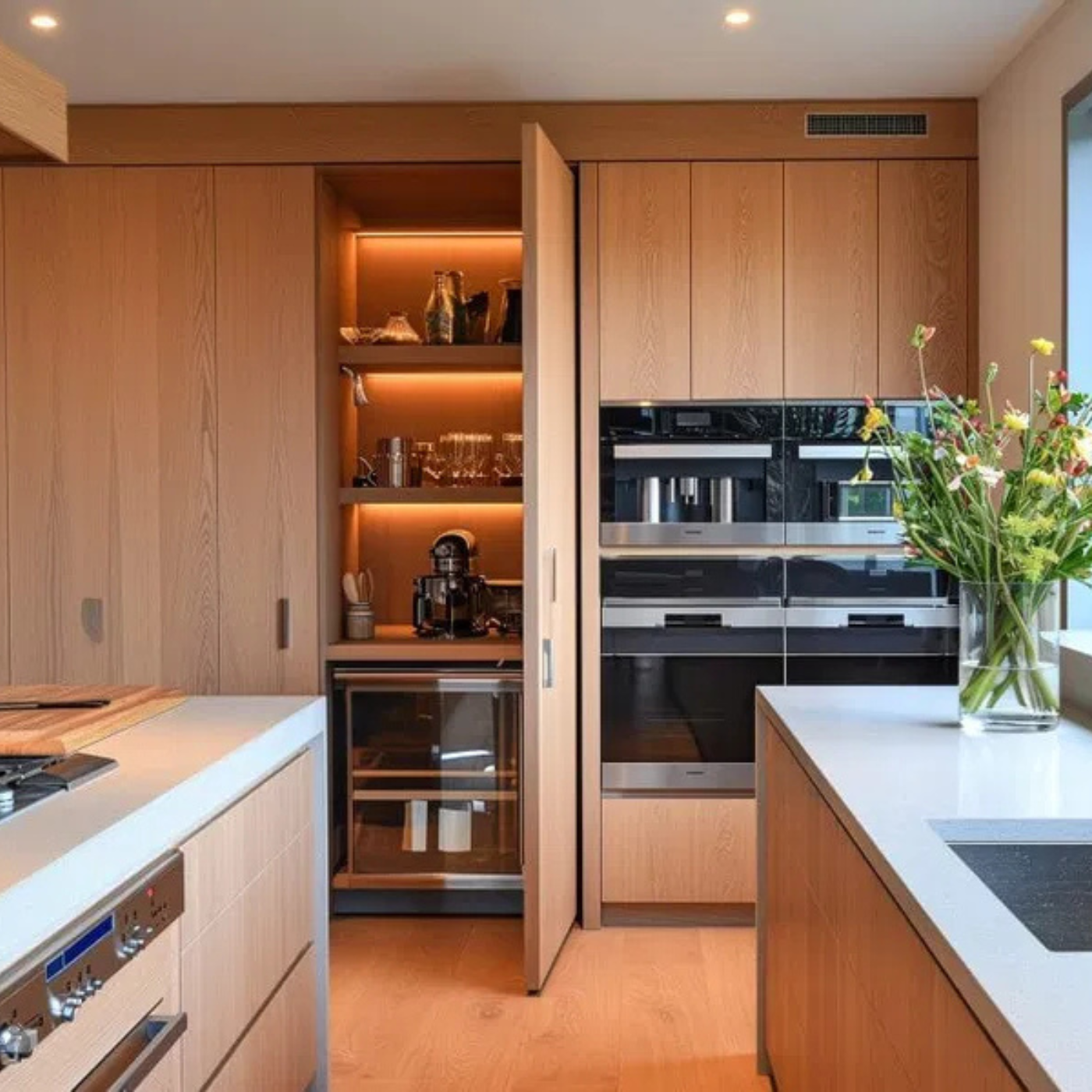
Avoid major modular kitchen design mistakes like poor ergonomics, bad storage planning,
Building or renovating a kitchen is one of the most significant investments you will make in your home. It is a space where functionality meets family life, where meals are prepared, and where memories are anchored. Yet, walk into ten homes that underwent a kitchen renovation a year ago, and a surprising number of homeowners will confess to deep-seated regrets.
The cabinets that looked stunning in a showroom feel cramped. The beautiful countertops are permanently stained. The workflow feels exhausting.
Why does this happen so frequently? The root cause is almost always the same: prioritizing short-term surface aesthetics over long-term ergonomics, structural material durability, and realistic budget planning. If you are planning a modular kitchen layout, understanding these common pitfalls will save you years of daily frustration and thousands of rupees in avoidable corrections.
A beautiful kitchen layout is completely useless if it turns your daily cooking routine into a chaotic physical workout. True premium design must balance aesthetic elegance with flawless structural ergonomics.
1. Falling into the Showroom Aesthetics Trap
The most common catalyst for first-year regret is falling in love with a kitchen layout purely based on its visual presentation in a pristine showroom or a heavily edited social media post. Showrooms are controlled environments. They do not feature daily meal preparation, grinding of heavy spices, steam from high-heat cooking, or the chaotic storage requirements of a real Indian household.
The Problem with High-Maintenance Finishes
Premium finishes like high-gloss acrylic look incredibly modern, luminous, and spacious because they reflect light beautifully. However, if a family selects high-gloss surfaces without understanding how to clean and care for them, the excitement quickly fades.
Within months, everyday micro-scratches, fingerprint smudges, and grease splatters can make an unmaintained premium kitchen look worn down and neglected.
-
Fingerprint Magnetism: High-gloss surfaces reflect everything, meaning grease marks from cooking will show up instantly under bright lights.
-
Micro-Scratch Vulnerability: Using standard kitchen towels or abrasive scrubbers to clean grease will permanently dull the reflective surface layer.
-
The Chemical Risk: Standard multi-purpose chemical sprays can react with premium acrylic top-coats, causing yellowing over time.
Design Tip: To ensure your high-end finishes stay flawless, you must understand the practical balance between luxury looks and structural maintenance. Read More Blog: The Ultimate Guide to Maintaining High‑Gloss Acrylic Kitchens in Haldwani: Myths, Scratches & Expert Care Tips
2. Ignoring the Golden Rules of Ergonomics and Workflow
A kitchen can feature the most expensive imported hardware in the world, but if the distance between your sink and your stove requires an exhausting physical workout every single day, the kitchen is a failure. First-year operational burnout occurs when the architectural flow of the kitchen does not match the natural movement of the human body during meal prep.
The Reality of the Kitchen Work Triangle
The absolute foundation of any layout design is the Work Triangle, which dictates the strict spatial distance between the three core operational hubs: the sink (cleaning), the refrigerator (storage), and the hob or stove (cooking).
-
The Squeezed Triangle: Squeezing these three zones too close together means multiple people cannot work in the space without colliding.
-
The Extended Triangle: Placing them too far apart wastes massive amounts of physical energy walking back and forth just to gather basic ingredients.
-
Countertop Height Discomfort: Standard counter heights fail if they are not customized to the primary cook, leading to severe shoulder strain or chronic lower back pain.
3. Sub-Optimizing Storage and Corner Spaces
When looking at a 2D floor plan, a long row of cabinets looks like an infinite amount of storage space. In reality, deep, unoptimized base cabinets are where kitchen efficiency goes to die. Homeowners frequently regret installing standard, deep shelves in base units.
The Chaos of Deep Base Shelves
Within months, items placed at the back of a 24-inch-deep shelf become completely invisible, inaccessible, and forgotten. You are forced to kneel on the kitchen floor and pull out ten separate containers just to reach a single pot hidden in the dark corner.
-
The Full-Extension Solution: Replacing standard low shelves with full-extension tandem drawers allows a top-down view of every item instantly.
-
The Dead Corner Voids: L-shaped and U-shaped kitchens naturally create deep corner spaces where base cabinets meet at a 90-degree angle.
-
The Hardware Fix: Leaving corners as standard cabinets makes utilizing them nearly impossible. Investing in corner carousels or magic pull-outs transforms these spaces completely.
4. Underestimating Budget Complexities and Material Engineering
A kitchen renovation is a major financial undertaking, and a significant portion of first-year regret stems from unexpected structural failures caused by cutting the wrong financial corners. Conversely, overspending on unnecessary cosmetic embellishments while starving your structural skeleton leads to long-term buyer's remorse.
The Destructive Cost of Short-Term Savings
Choosing cheap particleboard or low-tier MDF for high-moisture zones like the sink cabinet is a guarantee that your kitchen will begin to deteriorate within twelve months.
Water exposure from daily washing causes low-grade materials to swell, delaminate, split, and harbor toxic mold, eventually destroying the expensive stone countertop resting on top of it.
-
Carcass Integrity: High-Moisture Resistant (HMR) boards or Boiling Water Proof (BWP) marine plywood are non-negotiable for structural longevity.
-
Hardware Breakdown: Cheap, non-branded hinges will sag under the weight of heavy shutter panels within the first few months of use.
-
The Rust Factor: Indian kitchens deal with high humidity; standard iron or low-grade steel baskets will rust rapidly if not upgraded to SS304 grade steel.
Design Tip: Navigating material specifications, hardware grades, soft-close mechanisms, and finishing costs can feel overwhelming. To avoid blowing past your budget, check out our realistic price guide: Modular Kitchen Price in Haldwani | Cost Guide & Budget Tips – Kitchen World
5. Critical Planning Omissions: Lighting, Ventilation, and Electrical Layouts
A modular kitchen is an integrated ecosystem. It requires precise synchronization of civil plumbing, electrical wiring, ventilation ducts, and lighting zones before a single cabinet panel is built. Leaving electrical and lighting layouts to the last minute leads to major functional headaches once the kitchen goes live.
The Error of Single-Source Lighting
Relying entirely on a central ceiling light fixture is a classic design mistake. When you stand at the countertop to chop vegetables or wash dishes, your body blocks the central ceiling light, casting a dark shadow directly over your active workspace and sharp knives.
-
Task Lighting Necessity: Structural blueprints must include dedicated LED profile strip lights installed under wall cabinets to illuminate your counter prep zones perfectly.
-
Poor Electrical Socket Placement: Modern kitchens are filled with high-power appliances. Missing or poorly placed sockets lead to messy, dangerous extension cords running across countertops.
-
Inadequate Ventilation Setup: If your chimney's suction power does not match the room volume, or if the ducting features too many sharp bends, sticky grease and heavy smoke will settle across your entire home.
Practical Steps to Prevent First-Year Regret
Before you sign off on any kitchen layout or interior design budget, ensure your project team executes these five critical checkpoints:
-
Verify the Material Core: Demand BWP marine plywood for the sink cabinet and high-density HMR boards for the remaining structures.
-
Test the Work Triangle: Measure the physical distance between your cleaning, storage, and cooking zones on the floor plan drawing.
-
Audit the Electrical Chart: Map out a dedicated plug socket for every single appliance you plan to own, plus two extra utility points.
-
Incorporate Smart Corners: Do not leave blind 90-degree corners as raw shelves; mandate pull-out corner hardware systems.
-
Personalise the Counter Height: Have the primary cook stand against a measuring scale to set the exact countertop level before stone installation.
By stepping away from transient design trends, understanding the true financial costs of materials upfront, and respecting the hard laws of human ergonomics, you can build a stunning space that functions flawlessly. Do not plan for just day one; design a kitchen that you will still love on day 365 and beyond.
🔴 BOOK A FREE KITCHEN ERGONOMICS AUDIT
Avoid expensive layout mistakes during your renovation. Bring your floor plan to our showroom and get a professional layout consultation completely free.
-
Call / WhatsApp: +91 8979123945
-
Visit Our Showroom: Kaladhungi Road, Haldwani, Uttarakhand
-
Explore Our Latest Designs: www.kitchenworldhaldwani.com
Tags
Written by
Kitchen World