
Top 5 Materials That Withstand Kumaon & Humidity
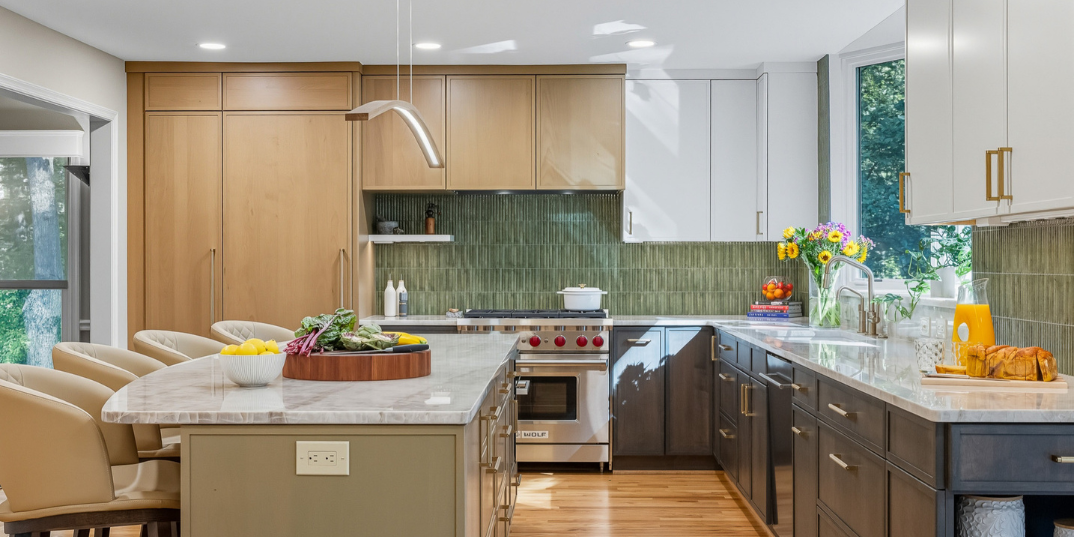
Discover the top 5 moisture-resistant materials engineered to protect your home interiors from Kumaon’s high humidity and severe winter condensation.
Building a home or renovating a premium space in the beautiful Kumaon region—whether you are overlooking the valleys of Haldwani, the serene lakes of Bhimtal, or the chilly heights of Almora and Mukteshwar—comes with deep architectural responsibility. The stunning geographic landscape that makes the hills of Uttarakhand a paradise also brings a unique set of intense atmospheric challenges.
Among these challenges, atmospheric moisture and heavy regional humidity are the most destructive forces for interior spaces.
Many homeowners invest heavily in premium interior setups, selecting stunning exterior finishes, modern soft-close drawers, and minimal designs straight out of metropolitan showrooms. Yet, a large percentage of these setups face major structural challenges within just three to five years.
Shutters begin to sag, base cabinets under wet utility zones release a musty odor, premium edge-bands peel away, and internal frameworks slowly lose their structural integrity.
This rapid wear happens because typical interior installations use mass-produced materials engineered for the dry, stable climates of the plains. They ignore Kumaon’s unique micro-climates, which range from intense monsoon downpours that saturate the air for weeks to cold winters that create severe indoor condensation.
When warm, humid air inside a home hits freezing cold exterior brick or stone stone walls, it turns back into liquid water. If your cabinetry is built directly against these surfaces using standard materials, it creates an environment where mold, swelling, and structural breakdown can thrive.
To build an interior space that lasts for decades in this environment, you must look past surface aesthetics and focus on material engineering. This comprehensive guide breaks down the top 5 materials engineered specifically to withstand Kumaon’s humidity, helping you protect your home investment.
1. BWP Marine Plywood (The Waterproof Structural Foundation)
When it comes to building a durable structural framework in a highly humid environment, true Boiling Water Proof (BWP) Marine Plywood is the most dependable choice.
Why Standard Compressed Boards Fail in the Hills
Most mass-market interior dealers use compressed particleboard, Medium-Density Fiberboard (MDF), or standard commercial-grade moisture-resistant (MR) plywood for internal frameworks. Compressed boards consist of fine wood particles or loose fibers bound together with basic chemical glues under heat.
When high atmospheric moisture or winter wall condensation hits these compressed boards, the loose internal fibers absorb water like a sponge. This causes the core to swell, warp, and turn soft over time.
As the wood fibers degrade, screws lose their grip, causing heavy cabinet doors to sag and misalign.
The Engineering of True BWP Marine Plywood
True BWP Marine Plywood is manufactured to a much higher standard, utilizing selected hardwood veneers bonded with un-extended phenol-formaldehyde resin under extreme hydraulic pressure.
-
Cross-Layered Strength: The veneers are arranged in alternating grain directions, creating a solid wood framework that resists warping, twisting, or expanding when exposed to shifting humidity.
-
Boiling Water Resistance: True BWP grade plywood can withstand prolonged immersion in boiling water without delaminating or losing its structural strength.
-
Mandatory Placement: This material is essential for any high-moisture zones, such as base units under kitchen sinks, bathroom vanities, or any cabinetry sharing a wall with the exterior cold air.
2. High-Pressure Laminates (The Protective Protective Exterior Barrier)
While your internal framework requires a strong foundation, the exterior surfaces of your cabinetry need a tough, non-porous barrier to shield the wood core from daily wear and humidity. High-Pressure Laminates (HPL) provide an exceptional defensive shield.
How High-Pressure Laminates Preempt Moisture Infiltration
High-Pressure Laminates are manufactured by fusing multiple layers of kraft paper saturated with phenolic resins, topped with a decorative printed paper layer, and finished with a clear protective overlay under intense heat and pressure.
This process creates a highly dense, completely non-porous solid sheet. Because it cannot absorb water vapor, HPL surfaces act as a reliable barrier against high airborne humidity, direct steam from cooking, and accidental water splashes.
Choosing the Right Thickness and Finish
For long-term durability in regional environments, always specify a minimum thickness of 1.0mm for exterior shutters and 0.8mm for internal liner spaces.
-
Textured and Matte Finishes: These surface treatments help conceal micro-scratches and smudges, requiring minimal daily maintenance.
-
Wipe-Clean Protection: HPL surfaces resist staining from cooking oils, turmeric, and household cleaning agents, allowing you to maintain a pristine space simply by wiping it down with a damp microfiber cloth.
3. Industrial PUR Hot-Melt Adhesive (The Seamless Edge Protection)
Even when using premium waterproof plywood and high-pressure laminates, an interior setup can still be vulnerable if the narrow edges where the materials meet are not properly sealed.
The Common Pitfall of Manual Edge-Banding
Traditional local carpentry setups typically apply thin PVC edge-banding strips by hand using basic contact adhesives and a brush. Because it is difficult to apply a completely uniform layer of glue by hand, tiny micro-gaps are often left behind along the edge.
Over a few seasons, the rising steam from household activities and changing mountain weather dry out these manual adhesives, causing the bond to crack. Once the edge-band peels open, moisture can easily penetrate the wood core, leading to localized swelling.
The Factory Solution: Automated Polyurethane (PUR) Bonding
To achieve a completely waterproof seal, modern modular manufacturing relies on industrial edge-banding machinery utilizing PUR (Polyurethane) hot-melt adhesive technology.
-
Chemical Cross-Linking: Unlike traditional glues that simply dry on the surface, PUR adhesive cures by reacting with moisture in the air and the wood cells, creating a permanent, flexible bond that cannot be re-melted by heat or steam.
-
Microscopic Invisible Joints: The automated machine applies a highly uniform, ultra-thin layer of PUR glue under immense pressure, leaving zero room for water vapor to penetrate. This step is crucial for maintaining crisp, aligned cabinet edges over a ten-year lifespan.
4. Solid Low-Porosity Natural Granite and Premium Quartz (The Weatherproof Surface)
Countertops and active workspaces face significant physical stress. In the Kumaon region, these surfaces can be quite cold in the morning, yet they are regularly exposed to high heat and moisture during daily household tasks.
The Problem with Cheap Engineered Stones
Low-grade engineered stones or unverified quartz brands often use high percentages of cheap polyester resins mixed with stone dust to reduce production costs. When a hot pan or kettle is placed directly onto a cold, resin-heavy countertop, the sudden temperature shift causes uneven thermal expansion, which can lead to cracks near sinks or cooktop cut-outs.
The Durability of Dense Indian Granite and High-Grade Quartz
To handle daily thermal shifts without cracking or staining, your workspace surfaces must feature high density and low porosity.
-
Premium Low-Porosity Granite: Dark Indian granites remain a fantastic choice for durability. They are naturally dense, virtually scratch-proof, and completely unaffected by extreme temperature changes or high humidity.
-
High-Grade Quartz: If your design features a modern solid color, choose premium quartz surfaces composed of 90% to 93% pure natural quartz crystals bound with specialized structural resins. These non-porous surfaces prevent water from seeping down into the wooden cabinets below, protecting the underlying framework.
5. Certified SS304 Grade Stainless Steel & Powder-Coated Hardware (The Mechanical Muscle)
The long-term usability of any interior setup depends heavily on its moving parts. While the wooden panels form the shell of your cabinetry, the hinges, runner tracks, and lift systems handle the daily physical work of the space.
The Breakdown of Low-Cost Hardware
High atmospheric humidity combined with mineral-rich or hard water properties found in many regional areas can cause standard chrome-plated steel hardware to oxidize rapidly. Within a few seasons, rust can form along drawer tracks and hinge springs, causing drawers to stick, scrape, and become difficult to operate.
The Solution: Rust-Immune Components
To keep your storage spaces opening smoothly year after year, your installation details must specify corrosion-resistant mechanical components:
-
Certified SS304 Grade Stainless Steel: Ensure all soft-close hinges and structural brackets are made from certified SS304 grade stainless steel, which contains high percentages of chromium and nickel to resist rust and corrosion.
-
Powder-Coated Tandem Systems: Replace basic wire baskets with solid-walled under-mount tandem box systems finished in scratch-resistant, anti-corrosive powder coatings that are easy to clean and protect the internal tracks from dust.
-
Temperature-Stable Hydraulics: Use high-quality soft-close cylinders utilizing high-viscosity silicone oils that will not stiffen or leak during freezing winter temperatures, ensuring smooth operation all year round.
Integrating Material Strength with Smart Structural Design
Selecting the right moisture-resistant materials is a major step forward, but those materials must be paired with an intelligent layout plan to maximize their effectiveness. For instance, the layout of your workspace determines how efficiently you move between storage, washing, and prep zones, which directly impacts how moisture and heat are managed across the room.
Placing your wet utility areas too close to delicate storage zones or running ventilation pipes along complicated paths can cause moisture to pool in dark corners, challenging even the highest grade of marine plywood. A successful home project requires coordinating your material selection with a smart, calculated spatial layout before any physical construction begins.
Design Tip: To learn how to balance your material choices with a highly efficient, ergonomic spatial layout that optimizes workflow and reduces wear, explore our complete layout planning guide. Read More Blog: How to Plan Your Kitchen Layout (The Golden Triangle Rule)
Navigating Component Budgets and Material Specifications
When planning a home renovation or a premium modular build across Haldwani and the wider Kumaon area, navigating conflicting quotes from different vendors can feel overwhelming. It is common to see quotes that vary significantly for layouts that look identical on paper.
Often, lower estimates are achieved by showcasing premium exterior finishes while quietly using cheaper, non-waterproof compressed boards for the internal carcass structures where moisture is most likely to strike.
To make an informed investment, it helps to use a structured planning tool that lets you map out your specific room dimensions, compare material grades, and understand how choosing premium options like BWP marine plywood or automated PUR edge-banding impacts your overall project estimate.
Design Tip: To get a clear, step-by-step financial breakdown and customize your material specifications for your home layout, utilize our interactive planning tool. Read More: Cost Calculator
Summary Longevity Verification Checklist
Before signing a contract or approving a production blueprint for your upcoming home project, ensure your technical team verifies these five essential material standards:
-
100% BWP Carcass Foundation: Require verified Boiling Water Proof marine plywood for all base structures and wet zones to prevent swelling.
-
Automated PUR Edge-Sealing: Ensure all shutter panels are sealed using automated industrial PUR hot-melt adhesives to resist steam and heat.
-
High-Pressure Protective Shields: Use minimum 1.0mm thick high-pressure laminates or premium acrylics to create a non-porous exterior surface.
-
Corrosion-Resistant SS304 Mechanicals: Specify certified SS304 grade stainless steel hinges and powder-coated tandem drawer systems to prevent rust.
-
Low-Porosity Countertops: Opt for dense natural granite or high-grade quartz to handle daily thermal changes without cracking.
By choosing materials engineered to handle Kumaon's distinct climate, water properties, and seasonal temperature shifts, you can build a beautiful, high-performing interior space that looks and functions like new for years to come.
🔴 SCHEDULE YOUR MATERIAL ENGINEERING CONSULTATION
Planning to build a premium, moisture-proof modular space in the Kumaon region? Bring your architectural floor plans to our experience center for a professional material-engineering review.
-
Call / WhatsApp: +91 8979123945
-
Visit Our Experience Center: Kaladhungi Road, Haldwani, Uttarakhand
-
Explore Engineered Layouts: www.kitchenworldhaldwani.com
Tags
Written by
Kitchen World