
Carpenter vs. Professional Modular Kitchen: Long-term Value
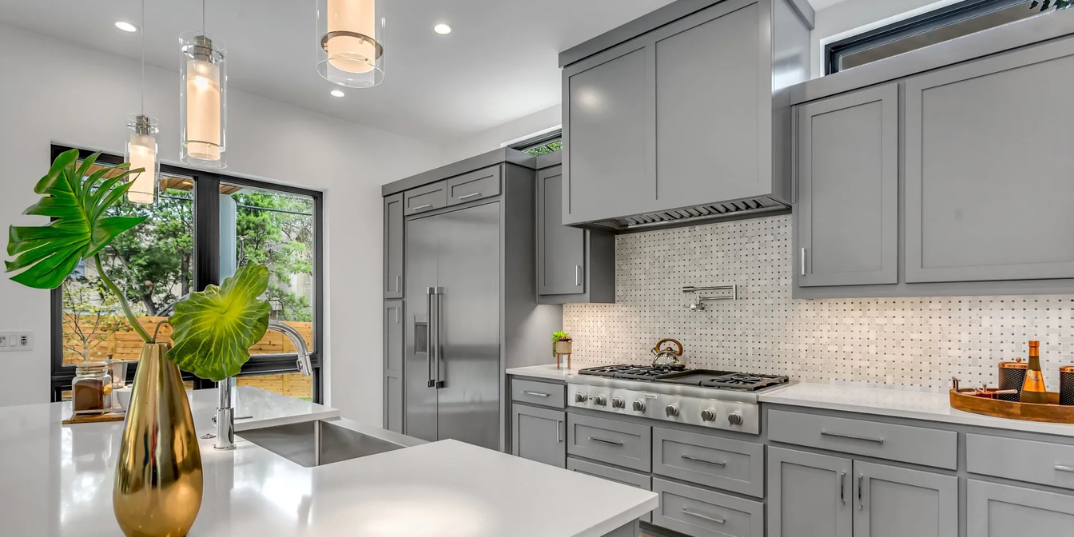
Discover why a precision-engineered modular kitchen delivers better long-term durability, value, and ergonomics than a traditional carpenter-built setup.
When you embark on the journey of building or remodeling your home kitchen, you are confronted with one of the most polarizing debates in the residential construction industry: should you hire a traditional local carpenter to build your kitchen from scratch on-site, or should you invest in a professionally engineered factory-manufactured modular kitchen system?
For generations, the default choice for homeowners across regional landscapes has been the neighborhood carpenter. Carpenters represent a familiar, traditional style of working. They offer face-to-face negotiations, structural flexibility, and the comfort of watching materials being hand-cut right in your courtyard or living room.
On the other side stands the modern professional modular kitchen—a product of advanced computer-aided design (CAD), automated factory machinery, precision material engineering, and integrated architectural hardware.
At the initial quoting stage, the carpenter-made option often appears financially attractive. The raw labor costs seem lower, and the ability to source local plywood manually gives homeowners a sense of control over their budget.
However, looking at a kitchen investment through a short-term lens can lead to unexpected challenges. A kitchen is a highly active, high-stress micro-climate inside your home. Over a ten-year timeline, the true value of a kitchen is determined by its resistance to daily wear, its mechanical accuracy, and its physical ergonomics, rather than its initial day-one price tag.
This exhaustive guide provides a comprehensive comparison between hand-built carpenter setups and factory-engineered modular kitchens across five critical factors: material engineering, structural precision, hardware performance, spatial ergonomics, and financial longevity.
1. Material Processing: Hand Tools vs. Industrial Precision
The core difference between a carpenter-made kitchen and a professional factory modular kitchen begins with how raw materials are cut, treated, and sealed. Even if you purchase the highest grade of plywood from the market, manual processing limitations can affect the finished quality of on-site construction.
The Vulnerability of Manual Edge-Banding
In a carpenter-built kitchen, wooden panels are typically cut using manual hand-saws or portable circular cutting tools. While a skilled artisan can achieve relatively straight lines, micro-gaps and uneven surfaces can still occur at a molecular level along the raw edges.
The most critical point of failure in any kitchen occurs where the raw edge of a plywood panel is sealed against moisture. Carpenters typically apply thin PVC edge-banding strips manually. They apply standard contact synthetic adhesives using a brush, press the strip down by hand, and trim the excess plastic with a manual cutter tool.
This manual process has clear structural limitations:
-
Uneven Glue Application: Applying adhesive by hand makes it difficult to achieve a completely uniform layer. Some areas will have too much glue, while others remain dry and empty.
-
The Vulnerability to Atmospheric Moisture: Over a few seasons, the rising steam from boiling cookware and changes in weather dry out manual adhesives. The bond can crystallize and crack, causing the edge-band to peel away from the wood core.
-
The Exposure of the Core: The moment an edge-band peels open, the raw wood core is exposed to airborne grease, water splatters, and moisture, which can lead to swelling and structural degradation.
The Factory Alternative: Automated PUR Bonding Technology
A professional modular kitchen handles edge-sealing through advanced industrial machinery. Raw panels are processed on heavy automated edge-banders that operate under highly controlled pressures and temperatures.
Instead of generic manual glues, premium factory systems utilize industrial PUR (Polyurethane) hot-melt adhesive technology. The machine applies a microscopic, highly uniform layer of PUR glue at extreme temperatures, bonding the edge-band to the core panel at a molecular level.
PUR adhesives form a strong chemical bond that is highly resistant to water vapor, direct heat, and mechanical impact. This completely seals the structural panel, ensuring that even in highly humid regional climates, the edges remain intact over a ten-year lifespan.
2. Navigating Regional Environmental Stresses
Your geographical location plays a massive role in how kitchen materials age over time. Building a durable kitchen requires choosing components that can withstand distinct regional weather challenges, such as shifting humidity levels and severe winter condensation.
Traditional carpenter methods often struggle to adapt to these severe atmospheric shifts, as manual processing cannot replicate the protective sealing properties offered by factory-controlled manufacturing.
Design Tip: To understand how regional micro-climates, temperature shifts, and hard water parameters accelerate the breakdown of standard hand-built woodwork, read our localized environmental analysis. Read More Blog: Why Most Modular Kitchens Fail in Kumaon (And How to Fix It)
3. Structural Accuracy and Technical Tolerances
A modern kitchen is an integrated system of moving mechanical parts. Drawers must slide open effortlessly, shutters must align to the millimeter, and internal accessories must drop into place with zero friction. Achieving this level of precision requires exact architectural tolerances.
The Dilemma of On-Site Hand Crafting
Carpenters work in dynamic, changing site environments. They face uneven floors, dusty work areas, and manual measurements taken with standard tape scales.
When boring holes into wood panels to mount soft-close hinges, a carpenter uses hand-held drills. If the artisan’s hand shifts by even a single millimeter, the hinge will sit at a slight angle.
While this minor misalignment might not be noticeable on day one, it introduces uneven physical stress to the mechanical spring mechanism. Over a few years of daily use, that tiny tilt causes the hinge to sag, preventing the cabinet door from closing flush.
The Precision of Computer Numerical Control (CNC) Engineering
Professional modular kitchens are manufactured using fully digitized blueprints processed via CNC machinery. Every single hinge position, shelf pin hole, and drawer runner pathway is pre-drilled by automated robotic drills operating within tolerances of less than 0.1 millimeters.
-
Flawless Symmetry: Every single panel is perfectly square, ensuring that when the carcasses are assembled on-site, the structural load is distributed evenly across the entire foundation.
-
Interchangeable Flexibility: Because hole patterns follow precise systematic grids, internal shelves and drawer heights can be adjusted or upgraded at any point in the future without damaging the wood core.
-
Stress-Free Mechanisms: Hardware components sit perfectly parallel to one another, eliminating friction and ensuring soft-close systems operate smoothly for their entire certified lifespan.
4. Hardware Integration: The Muscle System of the Kitchen
The long-term usability of a kitchen depends heavily on its internal mechanisms. While the wooden panels form the shell, the hinges, runner tracks, and lift systems handle the daily physical work of the space.
Finish Type: Edge-Sealing Technology
-
Local Carpenter Approach: Manual hand-glued PVC strips; prone to peeling
-
Professional Factory System: Industrial PUR hot-melt automated bonding; waterproof
Finish Type: Boring Precision
-
Local Carpenter Approach: Hand-held manual drills; micro-displacements common
-
Professional Factory System: CNC computer-guided drills; accurate to 0.1 millimeters
Finish Type: Heavy-Duty Storage
-
Local Carpenter Approach: On-site built wire baskets on basic side rollers
-
Professional Factory System: Solid-walled under-mount tandem box drawer systems
The Limitation of Traditional Wire Baskets
Carpenters often build lower storage spaces using traditional stainless steel wire baskets resting on standard side-mounted roller runners. This setup has structural limitations over time:
-
Warping Under Load: When loaded with heavy cookware like cast-iron pans or large grain storage containers, the wire frames can bend, and the side runners can warp under uneven weight distribution.
-
Cleaning Challenges: Wire grids allow dust, crumbs, and oils to drop through into the lower compartments, requiring constant maintenance of the cabinet interiors.
The Superiority of Concealed Tandem Drawer Systems
Professional systems utilize advanced under-mount tandem boxes with solid steel or aluminum side walls. The weight-bearing mechanism is completely enclosed beneath the drawer floor, protecting it from dust and kitchen debris.
These systems are engineered to handle dynamic loads ranging from 30kg to over 65kg without sticking or lagging. They feature synchronized fluid dampening systems, meaning that no matter how hard a heavy drawer is pushed, it slows down gently and closes in complete silence.
5. Strategic Architectural Sequencing
A major pitfall of traditional home renovations is the lack of coordination between different structural trades. A carpenter often begins building wooden boxes based on a general layout, without a fully finalized technical map for plumbing, gas lines, and high-power appliance electrical zones.
This fragmented process can lead to unexpected changes on-site—such as cutting into freshly finished wood cabinets to run utility lines, or finding out that a modern appliance blocks a cabinet door clearance.
A professional modular kitchen addresses this by synchronizing civil construction, plumbing routes, electrical sockets, and final cabinetry choices before any wood processing begins.
Design Tip: To avoid costly layout changes and ensure your plumbing, electrical, and cabinetry systems coordinate smoothly from day one, book a comprehensive digital layout mapping session. Read More: Free Planning Session
6. Ergonomics, Functional Flow, and Cultural Adaptability
Cooking habits vary widely across different households. Preparing meals that involve heavy oil usage, boiling steam, and robust spices requires a layout that values active human ergonomics over simple box storage.
The Custom Height Solution
Traditional carpenters typically use a single standardized height for all bottom countertops, regardless of who will use the space most. This can result in physical strain during daily prep work.
Professional modular planning calculates counter levels based on the primary cook's specific height, positioning the stone workspace comfortably below elbow level to reduce physical fatigue.
Optimizing High-Reach Storage
Traditional overhead cabinets feature doors that swing outward into the room, creating a potential safety hazard if left open during busy meal preparation.
Professional layouts replace these with vertical bi-fold lift systems that glide upward and out of the way with a gentle touch. This keeps the active workspace clear, open, and easy to navigate.
7. Analyzing the Long-Term Financial Value
To truly evaluate the difference between a carpenter build and a professional modular kitchen, we must look past the initial cost quote and calculate the Total Cost of Ownership (TCO) over a ten-year timeline.
The True Cost of a Carpenter-Built Kitchen
-
Initial Cost: Appears moderate, driven mostly by raw material costs and local labor quotes.
-
Hidden Additions: Homeowners often face unexpected expenses on-site for extra hardware, molding trims, polishing liquids, and extended labor days due to unpredictable delays.
-
Maintenance Cycle: Within three to five years, manual edge-bands may need re-gluing, sagging hinges require adjustment or replacement, and worn runner tracks need servicing.
-
The Rebuild Risk: If low-grade particleboard or non-waterproof ply was used in wet areas, a localized leak could require a partial or complete rebuild of the lower cabinets.
The Investment Profile of a Professional Modular Kitchen
-
Initial Cost: Requires a higher upfront financial investment for factory engineering and premium core materials.
-
Fixed Quotes: The technical project cost is calculated precisely down to the penny before manufacturing begins, preventing unexpected price hikes during installation.
-
Minimal Maintenance: Backed by structural manufacturing warranties and certified mechanical cycles, the kitchen operates smoothly year after year without needing constant adjustments.
-
Resale and Durability Value: A professionally built kitchen retains its functional value for a decade, protecting your home investment and providing reliable daily performance.
Summary Longevity Verification Checklist
Before choosing your kitchen construction method, ensure your final decision covers these five long-term performance standards:
-
Molecular Moisture Protection: Does the edge-sealing utilize automated industrial PUR hot-melt bonding, or simple hand-brushed glues?
-
Robotic Structural Accuracy: Are the hinge anchor points pre-bored by high-precision CNC machinery to ensure perfect door alignment?
-
Heavy-Load Drawer Capacity: Are the lower storage units built with concealed under-mount tandem boxes engineered to glide smoothly under heavy weight?
-
Integrated Layout Sequence: Are your electrical, plumbing, and utility lines technically mapped out on a digital floor plan before production starts?
-
Custom Ergonomic Flow: Is the final countertop height tailored to the primary user to prevent physical fatigue during daily tasks?
By choosing precision-engineered factory production over traditional hand-built woodwork, you are investing in a durable, highly functional space that maintains its performance and visual value for years to come.
🔴 VISUALIZE YOUR PREMIUM ERGONOMIC KITCHEN
Want to see the structural difference between manual hand-built cabinetry and precision factory engineering? Visit our experience center to test our functioning tandem setups and premium core materials in person.
-
Call / WhatsApp: +91 8979123945
-
Visit Our Showroom: Kaladhungi Road, Haldwani, Uttarakhand
-
Explore Engineered Layouts: www.kitchenworldhaldwani.com
Tags
Written by
Kitchen World