
Why Most Modular Kitchens in Haldwani Start Looking Old Within 2–3 Years
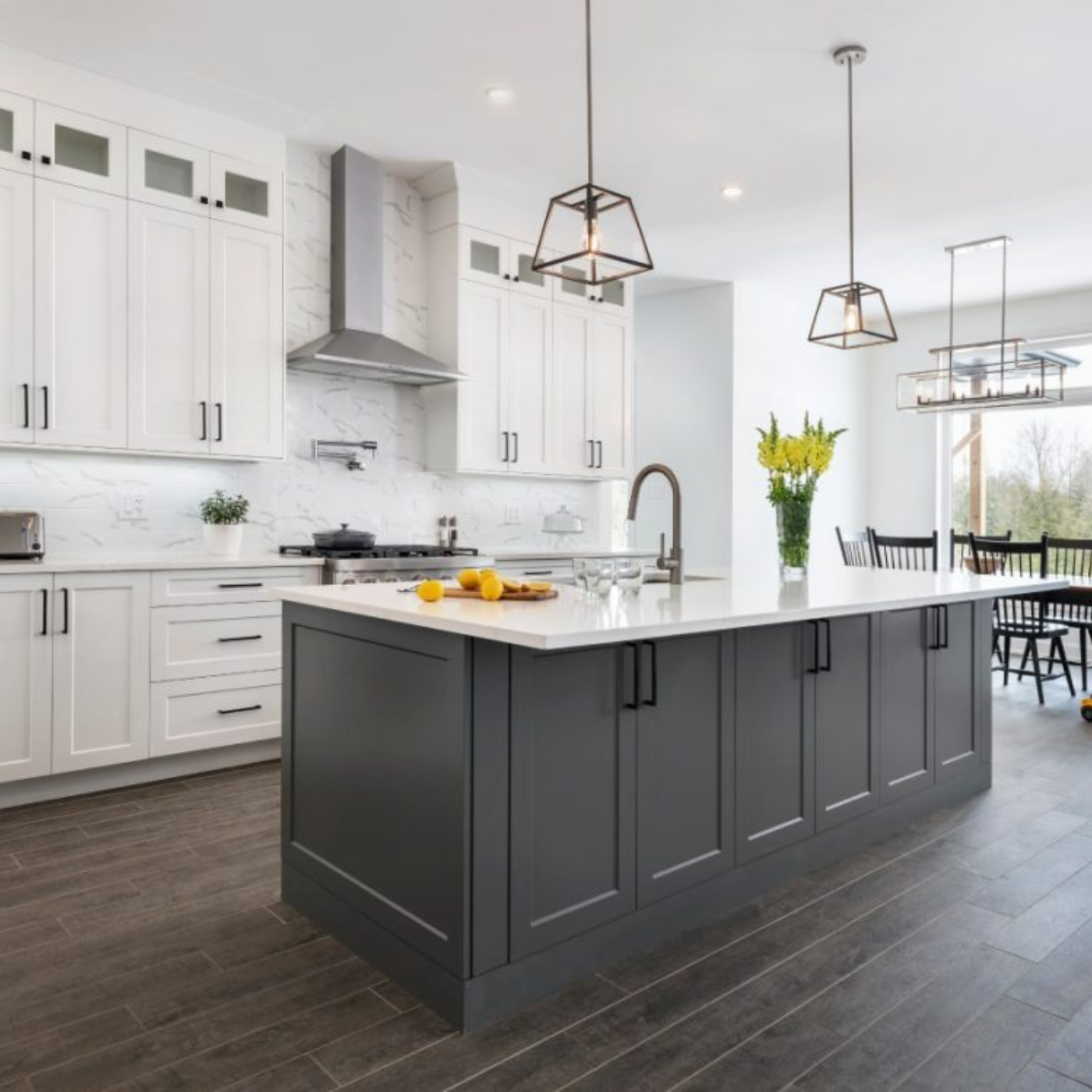
Most modular kitchens in Haldwani start losing their finish and strength within a few years due to moisture, low-quality materials,
The Frustrating Reality of Fast-Aging Kitchens
It is a common story across Uttarakhand. You spend a significant budget building a gorgeous, gleaming kitchen setup. On day one, the glossy surfaces reflect the ceiling lights perfectly, the drawers glide with a gentle push, and the entire room looks like a luxury showroom layout.
Yet, step into that same kitchen just 24 to 36 months later, and the transformation can be disheartening. The once-flush cabinet doors hang at slightly uneven angles. The bright edge tracks show dark, ugly lines of trapped dirt and moisture. The smooth drawer runners require a firm, frustrating tug to open, and the vibrant exterior surfaces look faded, scratched, or permanently stained.
When a kitchen ages prematurely, it isn't because of heavy cooking habits—it is almost always due to a mismatch between cheap material choices and local environmental conditions. For homeowners investing in a premium modular kitchen design, understanding why these early breakdowns happen is the only way to build a space that truly maintains its fresh appearance for over a decade.
1. The Yellowing and Fading Trap of Low-Grade External Laminates
One of the most visible ways a kitchen begins to look old and dated is surface discoloration. Many budget contractors use low-quality, non-UV-resistant liner laminates or cheap glossy sheets to cut down the upfront kitchen interior cost in Haldwani.
How Local Sunlight and Cooking Oils Destroy Finishes
-
UV Ray Exposure: Many homes in regions like Mukhani, Kusumkhera, or any open residential zone in Haldwani get beautiful, direct sunlight through large kitchen windows. Cheap laminates lack UV-stabilizing layers, causing white surfaces to turn an unattractive, patchy yellow color within two winters.
-
The Polymer Breakdown: The chemical structure of budget PVC sheets breaks down when exposed to everyday kitchen heat. This degradation traps micro-particles of aerosolized cooking oil and airborne dust, creating stubborn, sticky layers that cannot be wiped away with standard cleaning liquids.
-
Scratches Ruin the Texture: Low-grade high-gloss laminates have an incredibly soft surface texture. Moving everyday stainless steel pots or wiping the panels with rough scrubbers creates thousands of micro-scratches, permanently dulling the original showroom shine.
Surface Selection Tip: If you are torn between choosing high-end aesthetic choices and managing everyday cleaning, explore our comprehensive breakdown: 👉 Is White Laminate Practical for Indian Homes? Myths & Realities for Haldwani Homeowners.
2. Uttarakhand’s High Monsoon Humidity and Edge Separation
A kitchen can look incredibly clean from a distance, but if the edge borders are failing, the entire installation looks cheap and poorly built. The climate across the Kumaon foothills presents a unique physical challenge that standard furniture construction methods cannot handle.
The Action of Moisture on Glue Seams
During our intense regional monsoon season, the humidity levels in Haldwani climb drastically.
-
Budget modular kitchens rely on manual edge-banding, where workers use hand-applied adhesive pastes to stick PVC tape onto the raw edges of plywood sheets.
-
These cheap, water-soluble glues soften easily when exposed to constant moisture, steam from boiling water, or damp cleaning cloths.
-
Once the glue bond weakens, the protective edge tape begins to peel away from the corners, creating tiny gaps that collect grease and turn black over time.
-
This constant exposure to high moisture levels without adequate barrier sealing allows humidity to completely ruin the wood fibers beneath the surface finish.
3. Sagging Shutters and the Mechanical Wear of Unbranded Hinges
A premium modular appearance relies entirely on absolute geometric alignment. The moment lines between adjacent drawer panels look crooked or uneven, the entire kitchen starts to look broken down and old.
The Physics of Lower Cabinets
-
Stripped Screw Holes: Low-cost core materials like particle board or low-density commercial ply cannot hold heavy screws tightly under continuous daily pressure. As doors are opened and closed, the heavy wood pulls the screws forward, stripping the internal wood structure.
-
Sagging Core Hinges: Unbranded, lightweight iron hinges lose their internal spring tension very quickly. Within two years, they begin to sag under the weight of heavy acrylic or laminate doors, causing shutters to scrape against the bottom frame every time they are opened.
-
The Loss of Soft-Closing Performance: Cheap hydraulic dampeners rely on low-grade synthetic fluids. These fluids thin out during hot Haldwani summers and freeze or thicken during cold winters, causing doors to either jam up or slam loudly against the main cabinet body.
4. The Deep Absorption of Cooking Oils on Soft Countertop Bases
The main kitchen counter bears the brunt of every culinary task, from chopping vegetables to placing hot pans down after cooking. Using low-grade, porous stone countertops without proper under-slab protection ruins the visual look of base drawers very quickly.
Why Porous Materials Age Instantly
-
Deep Turmeric Stains: Cheap stones or low-quality composite materials possess high surface porosity. Spilled mustard oil, tea stains, or turmeric pastes seep deep into the stone matrix within minutes, creating permanent discoloration that household cleaners cannot remove.
-
Water Dripping onto Lower Cabinets: Rushed budget installations skip cutting the traditional counter-bottom water groove (the drip-course channel). As a result, spilled water runs straight off the counter, down the front panels, and directly into your lower drawer handles, accelerating wear on the exterior surfaces.
-
Lack of Substructure Support: When massive stone tops are placed directly onto weak plywood sides without steel reinforcement frames, the heavy stone slowly causes the lower base cabinetry to bend, warp, and crack out of its original alignment.
5. Rushed Installations and the Lack of Laser Calibration
Even if you purchase mid-tier materials, a kitchen will age rapidly if it is installed on an uneven floor or wall base without precise mechanical calibration.
The Hidden Dangers of an Uneven Foundation
-
Continuous Track Strain: If a base cabinet box is not perfectly level, your wide tandem drawers are forced to roll uphill or downhill against gravity every single day. This uneven weight distribution causes ball bearings to wear out quickly on one side, resulting in noisy, jamming tracks.
-
Wall Anchors Pulling Free: Many homes use standard brick masonry that requires heavy-duty nylon sleeves for upper cabinets. Rushed budget teams use cheap plastic plugs that slowly slide loose under the weight of heavy storage jars, creating an unsightly and dangerous gap between the cabinet frame and the kitchen wall.
-
Inaccurate Appliance Cutouts: Rushed cutouts for sinks and hobs leave rough, exposed wood borders. These raw internal edges absorb minor plumbing water leaks, leading to hidden mold colonies that eat away at your kitchen cabinets from the inside out.
6. Understanding Why Cheap Local Wood Core Materials Expand
The foundation of any kitchen design project lies within its core structural boards. When homeowners opt for ultra-low quotes, they are implicitly accepting cheap interior materials that are fundamentally unsuited for Haldwani's humid climate.
The Destructive Behavior of Particle Board and Low-Grade MDF
-
High Sensitivity to Moisture: Cheap composite boards use low-density wood fibers held together with simple, water-soluble chemical glues. The moment water vapor or steam passes through a tiny unsealed seam, the internal core absorbs the moisture rapidly.
-
Permanent Fiber Swelling: Once the internal fibers absorb water, they expand unevenly. Unlike solid wood or marine ply, particle board cannot shrink back to its original shape once it dries out; instead, it crumbles into a soft, powdery mass.
-
Hinges Pulling Clean Out: Because the internal wood core turns soft and structurally weak, the heavy metal screws holding your doors in place lose their grip completely, causing the entire cabinet shutter to fall off its frame unexpectedly.
7. The Chemical and Health Hazards of Low-End Adhesive Resins
When evaluating an affordable modular kitchen option, many homeowners fail to consider the invisible chemical footprint of the products being installed inside their living spaces. Cheap manufacturing practices create long-term health risks along with physical structural breakdowns.
The Reality of Formaldehyde Off-Gassing
-
Cheap Toxic Binders: Budget-grade engineered woods rely heavily on cheap Urea-Formaldehyde chemical resins to bond wood waste together into solid sheets. These low-end glues continuously release volatile organic compounds (VOCs) into the indoor air.
-
Heat Accelerates the Chemical Process: Because kitchens naturally generate high operational heat from cooking stoves and ovens, this warmth dramatically speeds up the chemical off-gassing process.
-
Chronic Health Discomfort: Spending hours preparing meals inside a closed kitchen filled with high VOC levels can cause persistent morning headaches, chronic eye irritation, and respiratory discomfort for your family.
8. Why Precise Factory-Line Engineering Changes Everything
The reason premium modular kitchen systems look flawless after five or ten years is due to the automated factory production lines used to manufacture them. Manual, on-site carpentry simply cannot match the micron-level accuracy of specialized industrial machinery.
The Advantage of Machine-Pressed Polyurethane (PUR) Edges
-
Permanent Molecular Bonds: High-end manufacturing facilities apply protective edge-banding strips using automated computer-guided machines operating at extremely high temperatures with specialized PUR hot-melt adhesives.
-
100% Waterproof Armor Shield: This industrial process creates a permanent, seamless bond that acts as an airtight seal, preventing any external kitchen steam, liquid spills, or atmospheric humidity from reaching the internal core.
-
Smooth Eradication of Sharp Edges: Factory machine trimming ensures that all panel borders are perfectly rounded and smooth, eliminating rough plastic corners that cause painful scratches or catch on clothing.
9. Structural Ergonomics and the Golden Work Triangle
A poorly planned kitchen layout doesn't just make cooking exhausting; it actively accelerates the physical wear and tear of your cabinetry. Cheap kitchen packages utilize pre-fabricated, generic box configurations that ignore smart architectural design.
The Impact of Disrupted Operational Loops
-
Overcrowded Countertops: When internal storage cabinets are located too far away or built with deep, awkward shelves that are difficult to reach, cooks stop using them. Frequently used ingredients, heavy oil bottles, and spice jars end up permanently cluttering the countertops instead.
-
Excessive Impact on Drawer Tracks: Because countertops become crowded, homeowners end up slamming heavy items into the few easily accessible lower drawers. This constant force strains the delicate internal ball bearings of unbranded tracking channels.
-
Unbalanced Weight Management: High-performance kitchen planning groups heavy inventory items into specialized, reinforced storage units, ensuring that structural weight is distributed safely across your floor plan.
10. How Real Project Planning Protects Your Long-Term Investment
When reviewing options at a local showroom or browsing new modern kitchen design ideas, it is vital to balance your immediate setup choices with a clear understanding of long-term operational costs.
Budget-Centric Assembly Overview:
The upfront cost for a low-cost sticker package usually falls around ₹1,10,000. However, by Year 2 or 3, you are dealing with yellowing panels, ruined edges, and sagging hinges that require constant professional repairs. By Year 5, the absolute structural failure of the base cabinet boxes due to hidden water absorption usually forces a complete project replacement.
Premium Structural Setup Overview:
Investing in real materials and quality internal hardware requires an initial cost of around ₹2,10,000. From Year 2 through Year 5, the kitchen maintains absolute geometrical alignment, pristine exterior gloss, and zero rusting on moving components. By Year 10, the tracking channels still glide smoothly, edge barriers remain clean, and the structural asset retains its functional utility value.
By prioritizing premium components like Boiling Water Proof (BWP) marine plywood, machine-bonded PUR edge seals, and certified structural hardware, you build a high-performance workspace that handles everyday cooking effortlessly while looking immaculate for years to come.
Budget Planning Tip: To plan a long-lasting project without overextending your resources, review our localized guide to managing setup numbers cleanly: 👉 Modular Kitchen Price in Haldwani | Cost Guide & Budget Tips – Kitchen World.
11. Practical Steps to Prevent Your Kitchen from Aging Prematurely
If you want to ensure your upcoming home renovation investment stands the test of time against local environmental challenges, follow these essential engineering rules:
-
Specify Certified BWP Marine Ply: Insist on certified IS:710 Boiling Water Proof marine plywood for all your base cabinet structures, particularly inside the high-moisture under-sink and dishwasher zones.
-
Verify Branded Functional Hardware: Demand globally recognized hardware brands that provide official warranties on their soft-close hinges and drawer tracking runners.
-
Choose High-Performance Surface Materials: Select UV-stable, high-density exterior finishes such as premium acrylic sheets or high-pressure laminates (HPL) that resist yellowing and micro-scratches over time.
-
Incorporate a Countertop Counter-Drip Groove: Ensure your stone fabrication team cuts a proper water-drip channel underneath the front edge of your countertop slab to keep liquids away from lower drawers.
-
Maintain Balanced Internal Weight Storage: Avoid stacking your heaviest stone grinders or cast-iron cookware inside unreinforced, generic drawer configurations.
Final Thoughts: Choose Long-Term Durability Over Surface Shine
A modular kitchen shouldn't look worn out in just two or three years. When you design a kitchen using a moisture-resistant foundation, high-grade UV-stable external surfaces, and factory-finished edge tracks, the entire room easily maintains its high-end look over time.
Do not let low-cost sticker prices trick you into buying weak structural setups that fail after a few monsoon seasons. Invest in high-durability core engineering, choose materials suited for our local climate, and create a beautiful cooking space that is truly built to last.
🔴 BOOK A PROFESSIONAL KITCHEN DESIGN AUDIT
Tired of watching low-quality materials fade and fail? Let our experienced engineering team design a durable, high-performance workspace customized completely for your household requirements. Book a Professional Kitchen Ergonomics & 3D Layout Consultation (Worth ₹5000) with our expert team today for free.
Request Your Free Kitchen Design Consultation Now
Call/WhatsApp: +91 8979123945
Visit Our Showroom: Kaladhungi Road, Haldwani.
Explore Our Work: www.kitchenworldhaldwani.com
Tags