
Why Most Modular Kitchens Fail Within 5 Years and How to Avoid It
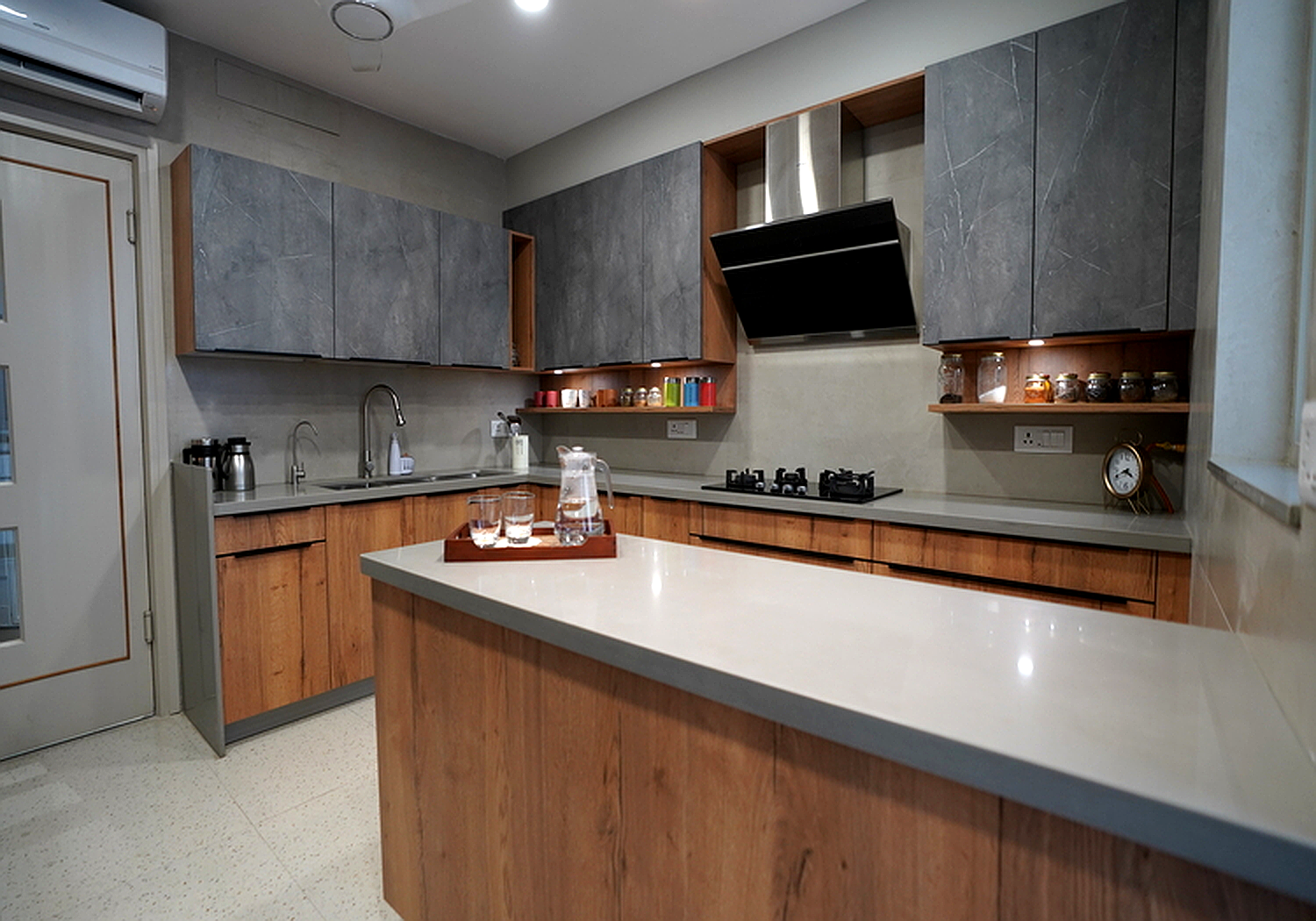
Many modular kitchens develop damage within a few years due to poor planning and low-quality materials. Learn the real reasons and smart solutions.
A modular kitchen is one of the biggest investments homeowners make while designing their home.
It is supposed to make life easier, improve organization, and add a modern touch to daily living.
But surprisingly, many modular kitchens begin showing serious problems within just a few years.
At first, everything looks perfect.
The cabinets shine beautifully. Drawers slide smoothly. The layout feels modern and organized.
Then slowly, things begin to change.
Cabinet edges start swelling. Hinges become loose. Drawers stop closing properly. Laminates peel from corners. Moisture begins damaging sink areas.
In many homes, the kitchen that once looked premium starts feeling old far earlier than expected.
Most homeowners think this happens naturally over time.
But the truth is very different.
Most modular kitchens do not fail because they become old.
They fail because of poor planning, wrong material selection, low-quality hardware, improper installation, and ignoring real-life kitchen conditions.
The good news is that these problems are avoidable.
When a kitchen is designed intelligently using the right materials and proper planning, it can remain functional and beautiful for many years.
Understanding why kitchens fail is the first step toward building one that lasts.
The Biggest Misconception About Modular Kitchens
Many people believe modular kitchens are only about appearance.
They focus on:
- Color combinations
- Cabinet finishes
- Fancy accessories
- Modern lighting
While aesthetics matter, the true strength of a kitchen lies beneath the surface.
A kitchen’s durability depends on:
- Structural materials
- Moisture resistance
- Hardware quality
- Installation precision
- Workflow planning
- Ventilation
Ignoring these factors creates problems that slowly appear over time.
1. Low Quality Materials Are the Biggest Reason Kitchens Fail
One of the most common reasons modular kitchens fail early is poor material selection.
Many homeowners choose cheaper options to reduce initial cost.
Unfortunately, this often leads to higher repair expenses later.
What Usually Happens
Cheap plywood absorbs moisture quickly.
Low-grade laminates begin peeling from edges.
Weak cabinet panels lose strength under daily usage.
Over time:
- Cabinets swell
- Shelves bend
- Edges crack
- Sink areas deteriorate
This damage becomes difficult and expensive to repair.
Why Material Quality Matters
A kitchen faces:
- Heat
- Steam
- Water exposure
- Oil particles
- Daily movement
Low-quality materials cannot handle these conditions for long.
That is why moisture-resistant boards and durable finishes are essential for long-term performance.
2. Poor Hardware Quality Causes Daily Frustration
Many homeowners underestimate the importance of kitchen hardware.
But hardware is the part of the kitchen used most frequently every single day.
This includes:
- Hinges
- Drawer channels
- Handles
- Pull-out systems
- Lift-up fittings
Cheap hardware may work initially, but daily usage quickly affects performance.
Common Signs of Hardware Failure
- Drawers become difficult to slide
- Hinges loosen frequently
- Cabinet doors stop aligning properly
- Rust develops near sink areas
In many kitchens, hardware issues begin within just two or three years.
Why Premium Hardware Matters
Good hardware improves:
- Smooth functionality
- Durability
- Noise reduction
- Daily comfort
Soft-close systems and rust-resistant fittings last significantly longer and improve overall kitchen experience.
3. Moisture Is a Silent Kitchen Destroyer
Water damage is one of the biggest threats to kitchen durability.
The sink area, in particular, constantly faces moisture exposure.
Without proper protection, damage slowly spreads.
Areas Most Affected
- Sink cabinets
- Lower base units
- Corner sections
- Cabinet edges near plumbing
Common Moisture Problems
- Swelling panels
- Bad odor inside cabinets
- Mold growth
- Rusting hardware
Many kitchens fail not because of poor usage, but because moisture protection was ignored during design.
4. Bad Layout Planning Creates Long-Term Problems
A kitchen may look modern but still feel uncomfortable daily.
This usually happens because the layout was not planned properly.
Common Layout Mistakes
- Insufficient countertop space
- Poor movement between cooking zones
- Inconvenient appliance placement
- Wasted corner spaces
These problems affect:
- Cooking efficiency
- Cleaning convenience
- Daily workflow
Over time, homeowners realize the kitchen looks good but feels difficult to use.
Why Workflow Matters
A functional kitchen should support smooth movement between:
- Sink
- Stove
- Refrigerator
This is known as the kitchen work triangle.
When these areas are planned intelligently, cooking becomes easier and faster.
5. Poor Ventilation Speeds Up Kitchen Damage
Ventilation is one of the most ignored aspects of kitchen design.
Without proper airflow, steam, smoke, and oil particles remain trapped inside the kitchen.
Long-Term Effects
- Sticky cabinet surfaces
- Grease accumulation
- Laminate discoloration
- Faster aging of materials
Many homeowners focus heavily on cabinets while ignoring ventilation completely.
A good chimney and airflow setup protect both the kitchen and indoor environment.
6. Cheap Installation Leads to Expensive Repairs
Even premium materials fail if installation quality is poor.
Improper fitting creates alignment and structural issues from the beginning.
Common Installation Problems
- Crooked cabinet alignment
- Uneven drawer movement
- Gaps between panels
- Weak fixing support
Over time these small issues become major functional problems.
Why Professional Installation Matters
Precise installation ensures:
- Smooth functionality
- Proper load distribution
- Long-term stability
- Better finishing quality
Good installation protects the investment homeowners make in their kitchen.
7. Ignoring Future Needs During Planning
Many homeowners plan kitchens only for present requirements.
But kitchens should be designed for long-term use.
Families grow. Storage needs increase. Appliances change.
Without future planning, kitchens quickly become insufficient.
Smart Planning Includes
- Extra storage flexibility
- Appliance space planning
- Efficient drawer organization
- Adaptable layouts
Future-ready kitchens remain practical for years.
Warning Signs Your Modular Kitchen Is Already Failing
Kitchen damage usually starts slowly.
Recognizing early warning signs can prevent larger problems later.
Common Warning Signs
- Cabinet edges swelling
- Hinges making noise
- Drawers becoming heavy
- Laminates peeling
- Moisture smell inside cabinets
- Loose handles and fittings
Ignoring these signs often leads to expensive repairs.
Traditional Kitchen vs Smart Modular Kitchen
Many homeowners still compare modular kitchens with traditional carpenter-made kitchens.
The difference becomes clear over time.
| Feature | Traditional Kitchen | Smart Modular Kitchen |
|---|---|---|
| Precision | Depends on carpenter | Factory precision |
| Storage Efficiency | Basic | Smart optimized storage |
| Hardware Quality | Often standard | Premium systems |
| Moisture Protection | Limited | Better resistance |
| Long-Term Durability | Moderate | Higher durability |
| Maintenance | Frequent repairs | Lower maintenance |
A smart modular kitchen focuses on both appearance and long-term functionality.
How to Build a Modular Kitchen That Lasts
The solution is not simply spending more money.
The solution is making smarter decisions.
Important Things to Focus On
1. Use Moisture Resistant Materials
Especially near sink and water-prone areas.
2. Invest in Premium Hardware
Good hinges and drawer systems improve durability significantly.
3. Plan Storage Properly
Avoid clutter and maximize usability.
4. Prioritize Ventilation
Protect cabinets from grease and moisture buildup.
5. Choose Professional Installation
Precision matters more than most homeowners realize.
6. Think Long-Term
Design for future storage and appliance needs.
Why Smart Kitchen Planning Saves Money
Many homeowners try to reduce initial kitchen cost.
But poor planning often results in:
- Frequent repairs
- Hardware replacement
- Water damage fixes
- Storage upgrades
A properly designed kitchen may cost slightly more initially but saves significant money over time.
More importantly, it prevents daily frustration.
How Kitchen World Builds Kitchens That Last Longer
At Kitchen World, the focus is not just on creating stylish kitchens.
The goal is to build kitchens that remain functional and durable for years.
Every kitchen is planned considering:
- Space utilization
- Daily cooking habits
- Moisture exposure
- Storage efficiency
- Material durability
What Makes the Approach Different
Premium Material Selection
Moisture-resistant boards and durable finishes improve longevity.
Smart Storage Design
Efficient layouts reduce clutter and improve usability.
High Quality Hardware
Rust-resistant fittings and smooth drawer systems improve daily performance.
Professional Installation
Precision fitting ensures long-term structural stability.
Customized Planning
Every kitchen is designed according to the homeowner’s needs and lifestyle.
The Real Secret Behind a Long-Lasting Kitchen
The best kitchens are not the ones that simply look expensive.
They are kitchens designed intelligently.
A durable modular kitchen combines the following:
- Smart planning
- Good materials
- Precision installation
- Functional workflow
- Proper ventilation
When these elements work together, the kitchen remains beautiful and functional for many years.
Tags
Written by
Kitchen World