
The Ultimate Modular Kitchen Planning Guide for First-Time Homeowners
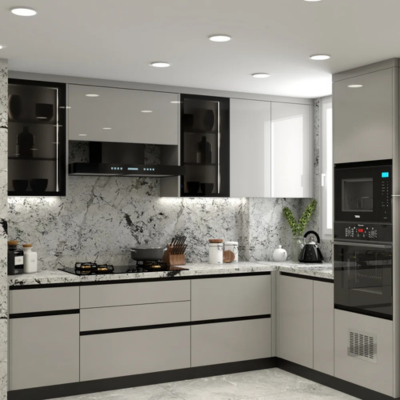
Planning your first modular kitchen? Discover expert tips on layouts, materials, storage, budgeting, and smart kitchen design ideas.
Designing your first modular kitchen is exciting.
It is one of the most important parts of building or renovating a home because the kitchen is not just another room.
It is where daily routines begin, meals are prepared, conversations happen, and families spend time together.
But for many first-time homeowners, kitchen planning quickly becomes overwhelming.
There are endless decisions to make:
- Which layout is best?
- What materials should you choose?
- How much storage is enough?
- Which finishes last?
- How much should you actually spend?
Most homeowners begin by focusing only on colors and designs.
But a successful modular kitchen depends on much more than appearance.
A kitchen should be:
- Functional
- Durable
- Comfortable
- Easy to maintain
- Efficient for daily use
The right planning helps avoid expensive mistakes later and ensures the kitchen remains practical for many years.
This guide covers everything first-time homeowners should know before planning a modular kitchen.
What Is a Modular Kitchen?
A modular kitchen is a modern kitchen design system made using pre-designed cabinet modules.
These modules are customised according to the following:
- Available space
- Storage requirements
- Cooking habits
- Kitchen layout
Unlike traditional kitchens built entirely on-site, modular kitchens are designed with precision and installed professionally.
This creates:
- Better finishing
- Improved organization
- Smart storage solutions
- Faster installation
- Modern aesthetics
That is why modular kitchens have become the preferred choice for modern homes.
Why Proper Kitchen Planning Matters
Many homeowners think kitchen planning is mainly about selecting colors and cabinets.
But poor planning creates long-term problems.
A badly planned kitchen may lead to:
- Insufficient storage
- Poor movement during cooking
- Difficult cleaning
- Wasted space
- Future renovation expenses
A smart kitchen improves daily life significantly.
Good planning helps:
- Save time while cooking
- Keep the kitchen organized
- Improve storage accessibility
- Increase comfort and efficiency
The kitchen should support your lifestyle, not create daily frustration.
Step 1: Understand Your Kitchen Space
Before selecting designs or materials, understand the available space properly.
Kitchen size affects:
- Layout possibilities
- Storage planning
- Appliance placement
- Workflow efficiency
Every kitchen has unique dimensions and structural limitations.
Important things to analyze:
- Wall lengths
- Window positions
- Electrical points
- Plumbing locations
- Ventilation availability
Accurate measurements are the foundation of good kitchen design.
Step 2: Choose the Right Kitchen Layout
The layout is one of the most important decisions in kitchen planning.
A beautiful kitchen can still feel uncomfortable if the layout does not suit your needs.
L-Shaped Kitchen
An L-shaped kitchen uses two connected walls.
Best For
- Small homes
- Open kitchen concepts
- Compact apartments
Advantages
- Space-efficient
- Smooth workflow
- Open appearance
U-Shaped Kitchen
A U-shaped kitchen covers three walls.
Best For
- Larger families
- Heavy cooking needs
- Homes requiring more storage
Advantages
- Maximum storage
- Large countertop area
- Better organization
Parallel Kitchen
A parallel kitchen uses two opposite counters.
Best For
- Narrow kitchens
- Frequent cooking
Advantages
- Efficient workflow
- Better work separation
- High functionality
Straight Kitchen
A straight kitchen is designed along a single wall.
Best For
- Studio apartments
- Very compact homes
Advantages
- Minimal space requirement
- Simple design
- Budget-friendly setup
Choosing the right layout depends on:
- Space availability
- Cooking habits
- Family size
- Storage needs
Step 3: Plan Smart Storage Solutions
Storage is often underestimated during kitchen planning.
Many homeowners realize too late that they do not have enough space for:
- Utensils
- Appliances
- Groceries
- Daily-use items
Smart storage is what makes a kitchen truly functional.
Essential Storage Solutions
Tall Pantry Units
Perfect for grocery storage and vertical space utilization.
Corner Units
Help use difficult corner spaces efficiently.
Pull-Out Baskets
Improve accessibility and organization.
Deep Drawers
Ideal for large utensils and cookware.
Overhead Cabinets
Increase storage without using extra floor space.
Good storage planning reduces clutter and improves workflow.
Step 4: Select Durable Materials
Kitchen materials directly affect durability and maintenance.
Low-quality materials may reduce initial cost but often create expensive problems later.
Best Materials for Modular Kitchens
BWP Plywood
Highly moisture-resistant and durable.
Marine Plywood
Excellent for areas exposed to water.
Acrylic Finishes
Premium glossy appearance with modern appeal.
Laminates
Affordable, durable, and available in many designs.
PVC Cabinets
Waterproof and low-maintenance option.
Material selection should balance:
- Budget
- Durability
- Appearance
- Maintenance needs
Step 5: Focus on Hardware Quality
Kitchen hardware is used every single day.
Poor-quality hinges and drawer systems fail quickly.
Important Hardware Components
- Hinges
- Drawer channels
- Lift-up systems
- Pull-out accessories
Premium hardware improves:
- Smooth movement
- Durability
- User comfort
- Noise reduction
Good hardware significantly increases kitchen lifespan.
Step 6: Plan the Kitchen Work Triangle
The kitchen work triangle refers to the movement between:
- Stove
- Sink
- Refrigerator
A well-planned triangle improves workflow and reduces unnecessary movement.
If these areas are too far apart or badly positioned, cooking becomes tiring and inefficient.
Efficient workflow is one of the biggest signs of a well-designed kitchen.
Step 7: Prioritize Ventilation
Many homeowners ignore ventilation during planning.
This creates problems later.
Without proper ventilation:
- Grease accumulates
- Moisture increases
- Cabinet surfaces age faster
- Odor remains trapped
A good chimney and airflow system protect both the kitchen and indoor environment.
Step 8: Choose the Right Color Combination
Colors affect how spacious and comfortable the kitchen feels.
Best Colors for Modern Kitchens
- White
- Beige
- Grey
- Wood textures
- Soft pastel shades
Light colors make kitchens feel:
- Bigger
- Brighter
- Cleaner
Dark shades should be balanced carefully in smaller kitchens.
Step 9: Think About Future Needs
Your kitchen should not only work for today.
It should remain practical for years.
Future planning includes:
- Extra storage flexibility
- Appliance space planning
- Growing family requirements
- Easy maintenance
A future-ready kitchen reduces renovation costs later.
Common Mistakes First-Time Homeowners Make
Many kitchen problems begin during planning.
Common Mistakes
- Choosing design over functionality
- Ignoring storage requirements
- Selecting cheap materials
- Poor ventilation planning
- Using low-quality hardware
- Not consulting professionals
Avoiding these mistakes improves long-term satisfaction.
Why Professional Planning Matters
A modular kitchen involves:
- Technical measurements
- Space optimization
- Material understanding
- Workflow planning
- Installation precision
Professional planning helps prevent expensive errors.
Experienced designers understand:
- Practical storage solutions
- Ergonomic layouts
- Material performance
- Functional design balance
This improves both appearance and usability.
How Kitchen World Helps First-Time Homeowners
At Kitchen World, the goal is not just to create visually attractive kitchens.
The focus is on designing kitchens that truly improve daily life.
Every kitchen is customized according to:
- Home layout
- Cooking style
- Family needs
- Budget preferences
- Storage requirements
What Makes the Approach Different
Smart Space Planning
Layouts are designed to maximize functionality and comfort.
Durable Material Selection
Moisture-resistant materials improve long-term durability.
Premium Hardware
Smooth and long-lasting fittings improve daily experience.
Efficient Storage Solutions
Every inch of space is planned carefully.
Professional Installation
Precision installation ensures proper alignment and durability.
Tags
Written by
Kitchen World