
Follow These 10 Smart Kitchen Tips for a More Functional Home
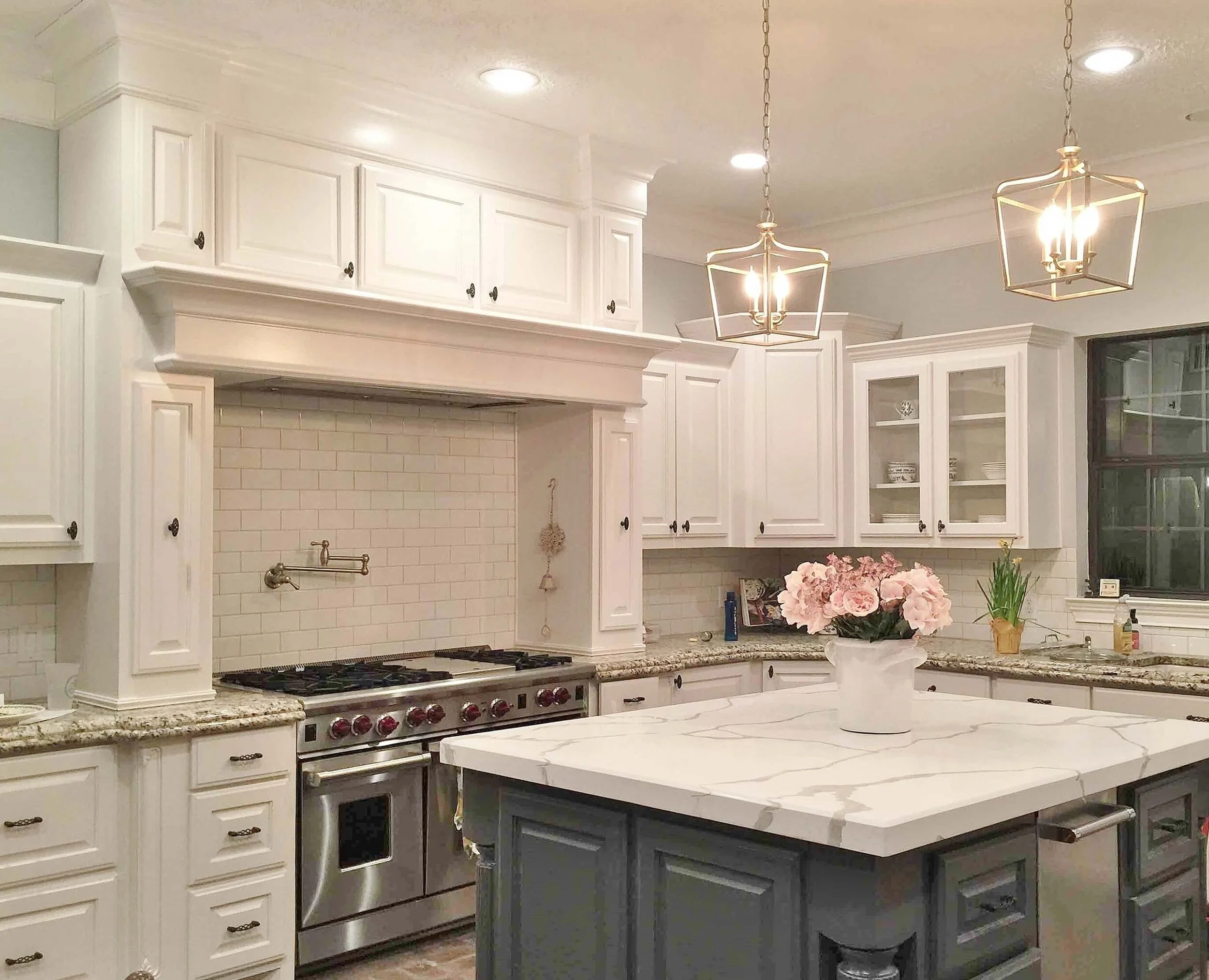
Discover 10 smart kitchen tips to improve storage, organise kitchen essentials, reduce clutter, and create a more functional kitchen for everyday use.
The kitchen is one of the busiest spaces in any home. From preparing breakfast and cooking family meals to cleaning utensils and organising groceries, several activities happen here every day. When the kitchen is cluttered or poorly organised, even simple tasks can take more time and effort than necessary. The good news is that creating a functional kitchen does not always require expensive renovations or completely changing your existing layout. A few thoughtful adjustments can make your kitchen more organised, comfortable, and enjoyable to use.
Whether you have a compact kitchen or a spacious cooking area, the right kitchen organisation ideas can help you make better use of available space. From improving storage and organising countertops to upgrading lighting and creating efficient work zones, these ten practical kitchen tips can make a noticeable difference in your everyday routine.
1. Organise Frequently Used Items Within Easy Reach
One of the easiest ways to improve kitchen functionality is to arrange everyday essentials according to how frequently you use them. Items that you need several times a day should be stored in accessible places rather than hidden behind less frequently used kitchen supplies.
For example, keep cooking oils, spices, spatulas, and frequently used utensils close to the stove. Store everyday plates, glasses, and bowls in cabinets near the dining or serving area. Keep rarely used appliances and special cookware on higher shelves or in less accessible cabinets.
This simple approach reduces unnecessary movement and makes cooking more convenient. An organised kitchen also becomes easier to maintain because every item has a designated place.
2. Make Better Use of Vertical Storage Space
When kitchen cabinets and countertops start feeling overcrowded, look beyond the available floor space. Walls and vertical areas can provide additional storage without making the kitchen feel smaller.
Consider installing wall-mounted shelves, hooks, magnetic knife holders, or hanging racks for lightweight kitchen essentials. Open shelves can hold frequently used jars, cups, and decorative containers, while hooks can keep ladles and cooking tools accessible.
For homeowners with compact kitchens, vertical storage is especially useful because it creates additional space without requiring major structural changes.
The key is to avoid overcrowding shelves. Keep frequently used items at a comfortable height and reserve higher storage areas for things you rarely need.
3. Keep Your Kitchen Countertop Clean and Clutter-Free
A crowded countertop can make food preparation difficult, even when the kitchen has sufficient space. Appliances, containers, grocery bags, and utensils often occupy valuable working areas that could be used for chopping, mixing, and preparing meals.
Start by identifying which appliances you actually use every day. Keep essential items such as a coffee maker or mixer accessible, but store occasional-use appliances inside cabinets.
You can also use small trays to group cooking oils, spices, and frequently used condiments instead of spreading them across the counter.
A clear countertop offers several benefits:
-
Provides more room for food preparation.
-
Makes cleaning easier and faster.
-
Creates a more organised kitchen appearance.
-
Reduces the chances of items getting misplaced.
-
Makes everyday cooking more comfortable.
A clutter-free countertop is one of the simplest ways to make an existing kitchen feel more spacious and functional.
4. Use Drawer Organisers to Keep Small Items Sorted
Kitchen drawers often become storage spaces where different utensils, cutlery, and accessories get mixed together. Finding a particular item can become frustrating when everything is placed in one compartment.
Drawer organisers provide a simple solution. Use separate sections for spoons, forks, knives, measuring tools, and cooking accessories. Deeper drawers can be divided into compartments for food containers, lids, and kitchen towels.
If you have limited drawer space, adjustable organisers can help you customise the available area according to your requirements.
For example, keeping measuring spoons and frequently used kitchen tools together near the preparation counter saves time when following recipes.
Well-organised kitchen drawers improve accessibility and make it easier to maintain a neat cooking space.
5. Create Dedicated Zones for Different Kitchen Activities
A functional kitchen should support smooth movement between different cooking activities. Instead of storing everything randomly, divide the kitchen into dedicated work zones.
A practical kitchen can include four main zones:
-
Preparation Zone: Keep chopping boards, knives, mixing bowls, and preparation tools together.
-
Cooking Zone: Arrange spices, oils, pans, and cooking utensils near the stove.
-
Cleaning Zone: Store dishwashing liquid, cleaning cloths, and waste bins near the sink.
-
Storage Zone: Keep groceries, dry ingredients, containers, and food supplies in designated cabinets.
This arrangement helps reduce unnecessary movement and prevents different activities from interfering with each other.
For example, when preparing a meal, you can move ingredients from the storage area to the preparation counter and then to the cooking area without repeatedly searching through different cabinets.
Creating organised kitchen work zones is particularly useful for families who cook frequently or have multiple people using the kitchen.
6. Improve Kitchen Lighting for Better Visibility
Lighting affects both the appearance and functionality of a kitchen. A poorly lit countertop can make chopping and food preparation difficult, while dark cabinet interiors make it harder to locate stored items.
Instead of depending on a single ceiling light, consider combining different lighting options.
Under-Cabinet Lighting: Install LED strips beneath overhead cabinets to illuminate countertops and preparation areas.
Ceiling Lighting: Use sufficient general lighting to make the entire kitchen bright and comfortable.
Pendant Lighting: If your kitchen has an island or breakfast counter, pendant lights can provide focused illumination while adding visual interest.
Cabinet Lighting: Small lights inside selected cabinets can make stored items easier to find.
When choosing kitchen lighting, pay attention to brightness and colour temperature. A comfortable, well-lit kitchen makes everyday activities easier and creates a more welcoming atmosphere.
7. Use Smart Storage Solutions for Difficult Corners
Kitchen corners are often difficult to organise because traditional shelves do not always provide easy access to items stored at the back.
Rather than allowing these spaces to remain unused, consider storage solutions designed specifically for corner cabinets.
Some practical options include rotating corner units, pull-out baskets, and accessible shelving systems. These accessories help homeowners reach stored utensils, cookware, and containers without having to move everything in front.
For smaller kitchens, pull-out storage can also be useful inside narrow gaps between cabinets. These units can hold spice bottles, cleaning supplies, or other compact essentials.
If you are considering a modular kitchen upgrade, exploring smart corner storage and pull-out accessories can help you improve the usability of your existing kitchen space.
8. Arrange Your Refrigerator and Pantry for Easier Access
An organised refrigerator and pantry can make meal preparation much easier while helping reduce food waste.
Start by grouping similar items together. Keep dairy products in their designated refrigerator sections, organise vegetables in appropriate storage compartments, and place frequently used ingredients where they are easy to access.
For pantry organisation, use labelled containers for dry ingredients such as rice, flour, pulses, pasta, and cereals. Transparent containers make it easier to identify contents and check quantities.
Follow the first-in, first-out method when arranging groceries. Place older products towards the front and newer purchases behind them, while always checking expiry dates and storage instructions.
You can also maintain a small grocery list to track items that need replenishing.
These simple pantry and refrigerator organisation habits save time, reduce unnecessary purchases, and help keep your kitchen more manageable.
9. Choose Easy-to-Clean Materials and Maintain Kitchen Surfaces
A functional kitchen should be easy to clean and maintain. Cooking naturally produces oil splashes, food stains, moisture, and dust, so selecting practical surfaces can make everyday maintenance less demanding.
For countertops, choose materials that suit your cooking habits and cleaning preferences. For cabinet shutters, consider finishes that are suitable for regular handling and easy to wipe according to the manufacturer's care instructions.
A few maintenance habits can also make a significant difference:
-
Wipe countertops after food preparation.
-
Clean spills before they become difficult to remove.
-
Avoid leaving standing water near cabinet edges.
-
Clean cabinet handles and frequently touched surfaces regularly.
-
Follow the recommended cleaning instructions for laminates and other finishes.
If you are planning a kitchen renovation, compare different materials based on their durability, maintenance requirements, appearance, and suitability for your home.
The right material choices combined with regular cleaning can help your kitchen remain attractive and functional for longer.
10. Declutter Your Kitchen Regularly and Keep Only What You Need
Even the most thoughtfully organised kitchen can become cluttered over time. Unused appliances, duplicate utensils, expired groceries, and containers without matching lids gradually occupy valuable storage space.
Set aside a little time every month to review your kitchen belongings. Remove items you no longer use, check pantry products, and reorganise cabinets that have become overcrowded.
Ask yourself three simple questions when sorting through kitchen items:
-
Do I use this item regularly?
-
Does it have a specific purpose in my kitchen?
-
Is there a better place to store it?
If an item is rarely used, consider moving it to secondary storage rather than keeping it in an easily accessible cabinet.
Regular decluttering helps maintain an organised kitchen without requiring expensive storage accessories or major renovations.
Small Kitchen Improvements Can Create a Big Difference
Making your kitchen more functional does not mean changing everything at once. Sometimes, moving frequently used utensils closer to the cooking area, organising a cluttered drawer, or improving countertop lighting can make everyday tasks noticeably easier.
The most effective kitchen organisation ideas are the ones that match your lifestyle and daily requirements. A family that cooks several meals a day may benefit from dedicated preparation zones and additional storage, while someone with a compact apartment kitchen may find vertical shelving and pull-out accessories more useful.
Start with one or two improvements that solve your biggest kitchen problems. Once those changes become part of your routine, gradually work on other areas.
A well-organised kitchen is not necessarily the largest or most expensive one. It is a space where everything has a purpose, essentials are easy to access, and everyday cooking feels less complicated.
Start small, organise smartly, and make your kitchen work better for your home.
Tags
Written by
Kitchen World